





Slow Siri Keynote Demos Explained: What Apple's Pauses Really Mean
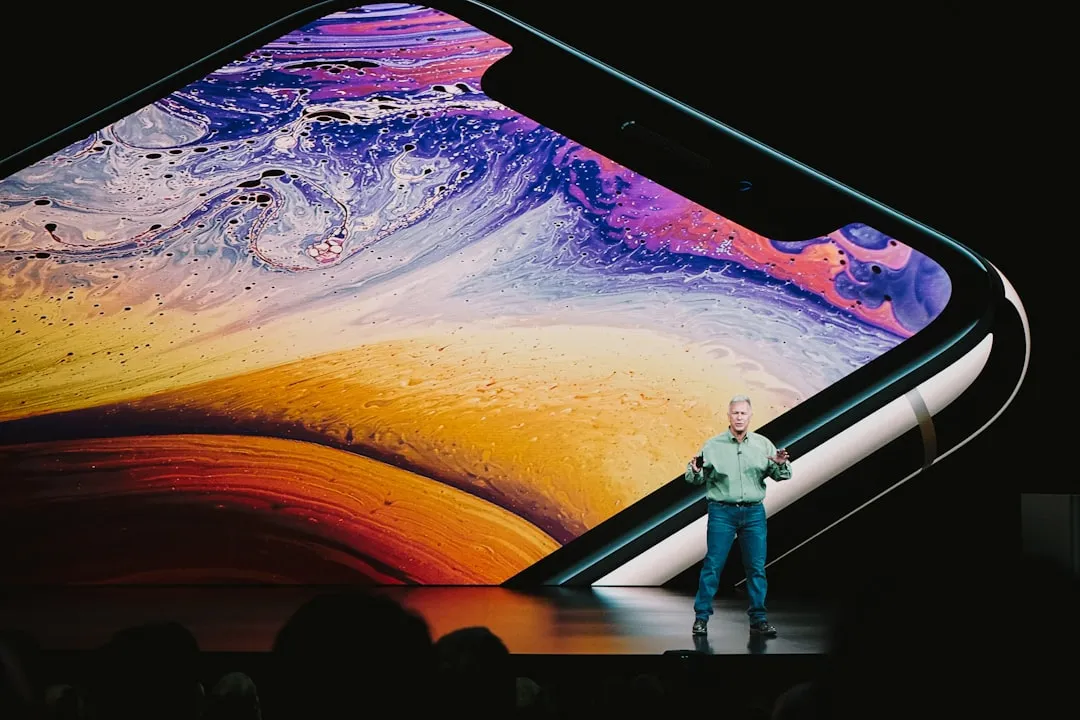
The most interesting moment in Apple's WWDC 2026 keynote was a beat of silence. Siri received a query. Nothing happened for a visible second. Then it responded. That pause, Inc reported, is exactly the kind of thing Apple would have edited out of any previous keynote. These slow Siri keynote demos were pre-taped, meaning Apple controlled every frame. Leaving the latency in was a choice.
That choice is the argument here. After two years of announcing AI features that did not ship as shown, Apple appears to have decided that showing something real, slightly sluggish and not perfectly polished, is worth more than showing something flawless that doesn't exist yet. TechCrunch reported that the 2026 presentations "looked far more like proof of working features" than the 2024 slate, which turned out to be "more promise than product."
That is progress. It is also narrower progress than the keynote glow might suggest.
What the slow Siri keynote demos actually proved
Before the question of presentation style can mean anything, the product has to work. Early evidence suggests the most important features do, with the caveat that "early evidence" means one reviewer's hands-on session with a developer beta, not broad user testing.
The Verge's hands-on coverage from yesterday confirmed that Siri located a rental return date by pulling from both a calendar entry and an email thread simultaneously, the kind of cross-app synthesis Apple has promised since 2024 and largely failed to deliver. Asking "when should I leave for the airport?" produced a genuinely useful answer rather than a search result. Prompting Siri with "add these events to my calendar" while viewing an email consistently triggered it to reference the on-screen content rather than guess at intent. In a single conversational thread, the assistant handled a run of open-ended everyday tasks: diagnosing wilting garden plants, building a hardware store shopping list, setting a follow-up reminder. Not contrived benchmark prompts. The kind of thing people actually do.
The Verge framed the standard plainly: Apple needed to clear "it works" and "it will actually ship to customers." Both appear to have been cleared in that early session. Worth being precise about what that means, though. One reporter testing a developer beta under conference conditions is a thin data set. The queries were reasonable but not adversarial. No broad user testing, no varied networks, no edge cases Apple didn't anticipate. What the hands-on established is that the core functionality runs as described, not that it will perform consistently for everyone.
One wrinkle worth naming: the two Verge pieces describe the underlying model differently. The announcement piece says Siri AI is based on Apple Foundation Models built in collaboration with Google; the hands-on piece says it's built on Gemini models directly. Apple hasn't resolved that distinction publicly. For a piece about verifiability, that gap matters. The underlying architecture is something Apple is currently more comfortable gesturing at than specifying.
Why Apple needed a different kind of demo
Two years ago, Apple showed demos that were specific, compelling, and beautifully produced. Inc described what those 2024 promises looked like: point a camera at a poster, add the event to your calendar; ask about your mom's flight, Siri pulls it from Messages. Almost none of it shipped. Genmoji and Writing Tools arrived. The personal intelligence Apple was advertising did not.
The legal weight of that gap was concrete. Apple agreed last month to a $250 million settlement on a false advertising suit tied to those earlier AI demos, without admitting wrongdoing. The settlement doesn't establish intent, and its timing doesn't prove it changed Apple's demo strategy. What it does is define the pressure context in which WWDC 2026 happened.
The skeptic's read deserves a direct response: the pauses may just mean the software isn't finished. Developer betas are always rough. Pre-taped demos are still curated regardless of latency. All of that is true. But it doesn't account for the pattern. A company with Apple's production capabilities, actively repairing a credibility problem, presenting pre-taped footage it controlled entirely, that company does not leave unflattering pauses in its keynote by accident. Either the delay was real, or Apple wanted it to look real. From a viewer's perspective, the point is the same: the company chose not to sand off the waiting.
Who gets this Siri, and when
Whether the credibility improvement translates into something useful depends on device, language, and location, in that order.
The hardware floor is more accessible than feared. Siri AI runs on iPhone 15 Pro and Pro Max and all iPhone 16 models and later, according to TechCrunch, and since the current flagship is the iPhone 17, most users who upgraded in the past couple of years won't need new hardware for basic access. The ceiling is higher, though. The most capable on-device features require the iPhone Air or iPhone 17 Pro, iPads with at least an M4 chip, or Macs with an M3 chip and at least 12GB of RAM, per The Verge. Access to Siri AI and access to everything it can do are not the same thing.
Geography and language cut the picture further. The new Siri launches in English only, with Apple saying it intends to expand quickly. It won't be available in the EU on iOS or iPadOS at launch, and it won't arrive in China at all due to regulatory constraints, The Verge reported. For a large share of potential users, this announcement doesn't yet apply.
The timeline also requires some precision. iOS 27's broader public beta is scheduled for next month, per Apple's newsroom. Siri AI itself is on a separate track: in developer beta now, available as a user-facing beta later this year, on supported devices set to English. Anyone expecting to try the new Siri the moment the iOS 27 public beta drops will need to wait longer.
A sharper standard for the next AI demo you watch
The practical value of the 2024 to 2026 arc isn't just that Apple tried harder. It's a reusable framework for evaluating any AI product announcement. Visible latency in a demo is worth noting: it suggests the software is doing real work rather than playing back a choreographed animation. Independently testable tasks, cross-app queries, on-screen context, calendar actions, tell you more than abstract capability claims because they can be repeated, varied, and checked by someone other than the company running the demo. Shipping timeline plus device eligibility define whether an announcement is real for any specific user in front of that screen.
By that standard, Apple's WWDC 2026 Siri presentation clears most of the bars. The Verge's hands-on confirms core tasks ran as described in early testing. TechCrunch's framing places that in a context of deliberate credibility repair. Together, they add up to something modest but specific: Apple demoed a product that exists and that one reviewer could verify in a developer beta.
"Good-ish" is still the right tone. A developer beta that holds up in a journalist's hands for a few hours under conference conditions is not software that performs reliably across millions of users with varied workflows and query patterns Apple never scripted. The public beta, when it arrives later this year, is when that broader test begins. The slow Siri keynote demos were evidence that Apple understands what it has to prove. Whether the proof holds up at scale is the question this keynote, by design, could not answer.


Comments
Be the first, drop a comment!