




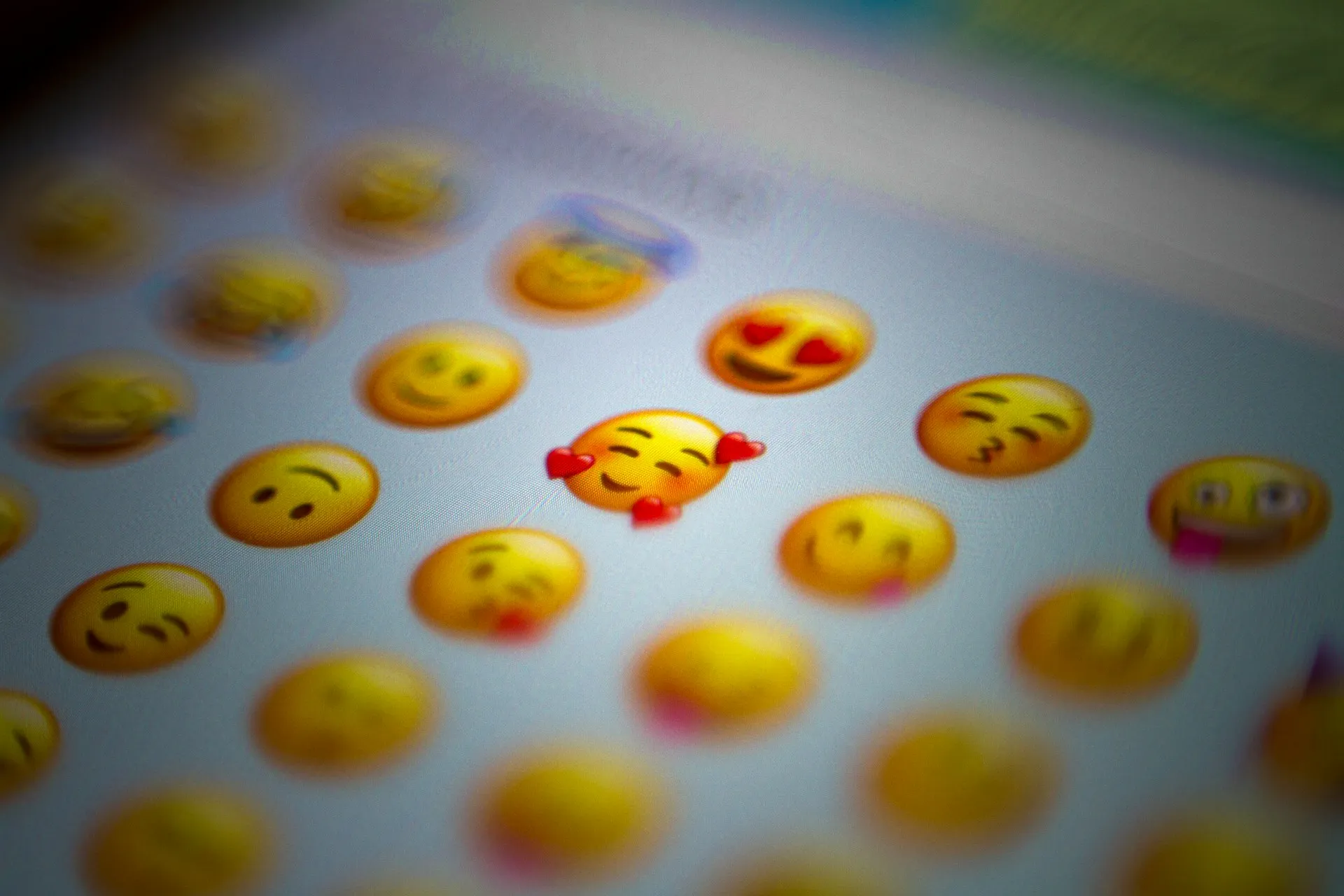
Apple is planning to overhaul Genmoji in iOS 27 with automatic suggestions drawn from users' photo libraries and most-typed phrases, Bloomberg's Mark Gurman reported this week. The change would shift Genmoji toward proactive suggestions rather than fully manual prompts. A new toggle in Keyboard settings will read: "Suggested Genmoji are created from your photos and your commonly typed phrases."
Genmoji launched with iOS 18.2 as part of Apple's initial Apple Intelligence rollout. iOS 27 is expected to be previewed at WWDC next month, with a public release in the fall, MacRumors reported this week.
The feature had a rough start. Reporting suggests Apple is trying to improve adoption after early usability complaints, and the fix involves pulling from more personal data than the original ever touched. That second part is where the unresolved questions stack up.
What failed and why Apple is changing course
Genmoji had what MacRumors describes as a "rocky run." Two separate problems dragged it down: generated images frequently looked nothing like Apple's polished marketing examples, and the underlying models were demanding enough to heat iPhones and drain batteries noticeably.
Apple has apparently addressed the thermal and battery issues ahead of iOS 27. No technical specifics or independent benchmarks have been published, and whether image quality has meaningfully improved is a separate question current reporting leaves unanswered.
Those two problems matter, but they aren't equivalent. Overheating is a technical failure with a technical fix. The usability barrier ran deeper.
Genmoji asked users to compose a text prompt for a custom character before they could use it. Standard emoji require no such overhead: tap a face, send. Genmoji treated casual communication as a design exercise. Gurman frames Apple's goal as wanting users to "look again" at Genmoji, per MacRumors rehabilitation language, not launch language. The thermal fixes never touched the effort problem. Suggested Genmoji does, by removing the part users apparently skipped.
How iOS 27 Genmoji suggestions use Photos and typed phrases
Instead of waiting for a prompt, Suggested Genmoji will reportedly generate custom emoji ideas automatically by drawing from two personal data sources: the user's photo library and their most commonly typed phrases. The feature is described as optional, controlled via a toggle in Keyboard settings. Whether that toggle ships on or off by default is not confirmed in any current reporting.
The single most consequential unresolved question is where the processing happens. The original Genmoji ran entirely on-device. Whether iOS 27's version maintains that constraint is unconfirmed. As reports observed this week, it's unclear if Genmoji will still rely entirely on on-device models. On-device keeps your photo library and typing history local, consistent with Apple's stated privacy architecture. Any other approach represents something materially different, and the toggle text, as currently described, doesn't signal which it will be.
Current reporting also leaves several practical questions open. Where do suggestions actually surface? A Genmoji suggestion appearing naturally while composing a message could feel genuinely useful; one that appears in an unrelated context could feel intrusive. Whether suggestions appear inline in Messages, within the emoji keyboard, or system-wide isn't described anywhere in available reporting.
The scope of "commonly typed phrases" is equally unclear. Does the system index keyboard history across every app or only within Messages? Does it sync across devices? Photo library analysis raises its own questions: does the system identify faces, recurring locations, pets? What happens when a library contains sensitive images? None of this is addressed in current reporting, and none of it is a hypothetical edge case. These are the practical details that determine whether the feature reads as a helpful assistant or an uninvited audit of personal data.
The opt-in question compounds all of this. Users who never open Keyboard settings will be included or excluded without making a deliberate choice, depending on how Apple ships the default. That may be entirely reasonable if setup disclosures are clear and specific, but no such disclosures have been described publicly. The data access here is only acceptable or not once users know what they're consenting to, and that clarity doesn't yet exist.
What this changes and what WWDC has to confirm
Suggested Genmoji is a more substantive change than the name implies. Apple isn't adding a convenience layer on top of an existing tool; it's reassigning the creative work from user to system. That shift is what Apple Intelligence was broadly supposed to deliver, and Genmoji is one of the first places it becomes concretely visible in daily use, per MacRumors and 9to5Mac this week.
It fits a wider iOS 27 pattern. Bloomberg reported last month that Apple is embedding a new Siri mode directly into the Camera app and moving Visual Intelligence out from behind the Camera Control button into the camera interface itself. The throughline across all of it: intelligence that surfaces before you ask for it, rather than waiting on an explicit command.
The practical question for users comes down to one thing at setup. When iOS 27 ships, check whether Apple discloses where Suggested Genmoji processing actually occurs. On-device analysis of photos and typed phrases is consistent with Apple's stated privacy posture and with how the original feature worked. Any other model represents a meaningfully different level of data exposure than the toggle text currently signals, not necessarily a reason to turn the feature off, but worth knowing before it runs.
WWDC is the moment to confirm on-device processing. If Apple can say clearly that photo analysis and typing data never leave the device, the story becomes whether the suggestions are actually worth using. If it can't, or won't, a feature with a very simple name gets considerably more complicated.







Comments
Be the first, drop a comment!