



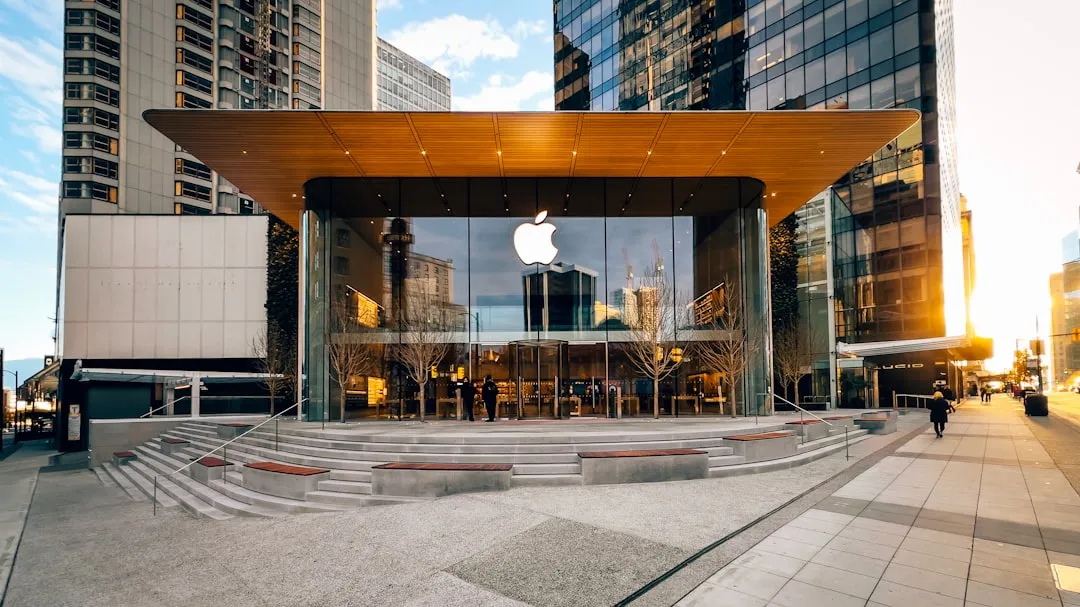
Tim Cook Addresses Succession Planning and Executive Departures in Apple All-Hands Meeting
Look, I need to be straight with you: Apple's playing this one close to the chest. Despite reports of Tim Cook addressing succession planning and recent executive departures during an internal all-hands meeting, the specifics haven't made it into the public domain yet. And here's the thing—this is exactly how Apple operates.
The company that built its reputation on secrecy isn't about to broadcast its C-suite succession strategy to the world. But that doesn't mean we can't examine what we know about Apple's leadership approach and why this conversation matters so much right now.
Why Succession Talk Matters More Than Ever
Let's break it down. Tim Cook has been at Apple's helm since 2011—that's over a decade of steering one of the world's most valuable companies. He's not going anywhere tomorrow, but at 65 years old, the board would be negligent not to have robust succession plans in place.
The challenge? Finding someone who can fill shoes that big isn't just about operational excellence or product vision. It's about maintaining the culture of innovation that defines Apple while navigating an increasingly complex tech landscape of regulatory scrutiny, supply chain challenges, and evolving consumer expectations.
Here's what makes this particularly interesting: unlike Steve Jobs, who was essentially irreplaceable as a visionary founder, Cook has built a structure that could theoretically function with a new leader. The question isn't whether Apple can survive without Cook—it's whether it can thrive.
The Executive Exodus Context
When executives leave any major tech company, analysts start reading tea leaves. Are they being pushed out? Jumping to competitors? Retirement? Each departure tells a different story.
While specific details about which executives were discussed in this all-hands meeting aren't public, Apple has seen its share of leadership changes over the past few years. The pattern isn't unusual for a company of Apple's size and longevity, but timing matters. Executive transitions during succession planning discussions always raise eyebrows.
PRO TIP: When evaluating leadership changes at major tech companies, look beyond the press release. Consider the executive's tenure, their division's recent performance, and whether they're immediately joining a competitor. Those factors tell you more than any corporate statement about "pursuing new opportunities."
How Apple Handles Leadership Transitions
Bottom line: Apple doesn't do anything by accident, especially when it comes to leadership.
The company has historically promoted from within, rewarding those who understand Apple's unique culture and operational philosophy. This isn't just corporate preference—it's strategic. Apple's ecosystem approach, where hardware, software, and services interweave seamlessly, requires deep institutional knowledge that takes years to develop.
Think about Cook's own ascent. He wasn't parachuted in from outside; he spent 13 years learning Apple's DNA before taking over. That runway wasn't just about grooming a successor—it was about ensuring continuity of vision while allowing for evolutionary change.
Current senior leaders like Jeff Williams (COO), Eddy Cue (Services), Craig Federighi (Software Engineering), and John Ternus (Hardware Engineering) have spent decades at Apple. Each brings different strengths to the table, and each represents a possible future direction for the company.
What Succession Planning Reveals About Apple's Future
Here's what you need to know: succession planning conversations reveal priorities.
If Apple's discussing who comes after Cook, they're simultaneously discussing what Apple becomes next. Is it a services company that happens to make hardware? A hardware innovator that leverages services? An AI powerhouse? A mixed reality pioneer?
The leader chosen will reflect the board's answer to those questions. A services-focused CEO would signal one strategic direction. A hardware innovator would indicate another. This isn't just about finding someone to run operations—it's about choosing Apple's next era.
The timing of this all-hands discussion—whenever it occurred—also matters. Internal transparency about succession shows a company mature enough to address the elephant in the room. Cook's willingness to discuss it openly with employees demonstrates confidence in Apple's bench strength and institutional stability.
The Broader Tech Industry Context
Imagine this scenario: every major tech company faces the same question. Microsoft navigated it successfully with Satya Nadella. Amazon's working through it post-Bezos. Google restructured entirely under Alphabet to address it.
The common thread? These transitions define decades of corporate trajectory. Get it right, and the company enters a new golden age. Get it wrong, and you watch market share and talent drain away while competitors capitalize on instability.
Apple has the advantage of learning from others' successes and failures. They've watched Microsoft's renaissance under Nadella's cloud-first leadership. They've observed how Amazon maintained operational excellence while Bezos stepped back. These aren't just case studies—they're roadmaps.
What This Means for Stakeholders
For employees, succession clarity provides stability. Nobody wants to wonder if their company's future leadership will value their division or pivot away from their work.
For investors, it signals long-term thinking and risk management. A company with robust succession planning is a company that takes institutional continuity seriously.
For consumers and developers in Apple's ecosystem, it indicates that the platform they've invested in isn't dependent on one person's continued presence. That's essential for long-term commitment to the ecosystem.
And for the broader tech industry, it sets expectations. When Apple handles succession, everyone watches. The standard they set influences how other companies approach their own leadership transitions.
The Key Takeaway
While we don't have transcripts from Cook's all-hands comments or detailed lists of which executive departures were discussed, the very fact that these conversations are happening tells us something important: Apple is planning for its future with the same attention to detail it brings to product development.
This isn't just about new tech—it's about rethinking how companies ensure institutional knowledge transfers across leadership generations while maintaining innovation culture.
Cook's eventual successor will inherit more than a corner office in Cupertino. They'll inherit responsibility for an ecosystem that millions of developers build on, billions of users depend on, and an entire industry watches obsessively. That's not a job you hand off casually, and these internal discussions suggest Apple isn't treating it that way.
As we've seen from our extensive observation of Apple over the years, they don't telegraph moves before they're ready. When succession actually happens, it'll be announced with characteristic Apple polish: presented as inevitable, carefully orchestrated, and designed to project confidence and continuity.
Until then, we watch, we analyze, and we remember that at companies like Apple, what's said in all-hands meetings often matters less than what's built in the years leading up to transition moments.
The succession planning conversation isn't really about when Tim Cook leaves. It's about ensuring that whenever that day comes, Apple continues being Apple—innovative, ambitious, and impossibly secretive about what comes next.








Comments
Be the first, drop a comment!