



WWDC 2026 opened June 8, marking Tim Cook's final Worldwide Developers Conference as Apple CEO before John Ternus takes over on September 1. The timing gives this year's developer conference a bigger role than usual: It is both a software showcase and the clearest preview yet of the company Ternus will inherit.
The main pressure point is Siri. Apple has spent years positioning its devices around privacy, integration, and control of the full hardware-software stack, but the AI assistant race has moved faster than Siri. For iPhone users, the question is no longer whether Siri can answer simple questions or set timers. It is whether Apple can turn Siri into a reliable, context-aware layer for getting things done across apps.
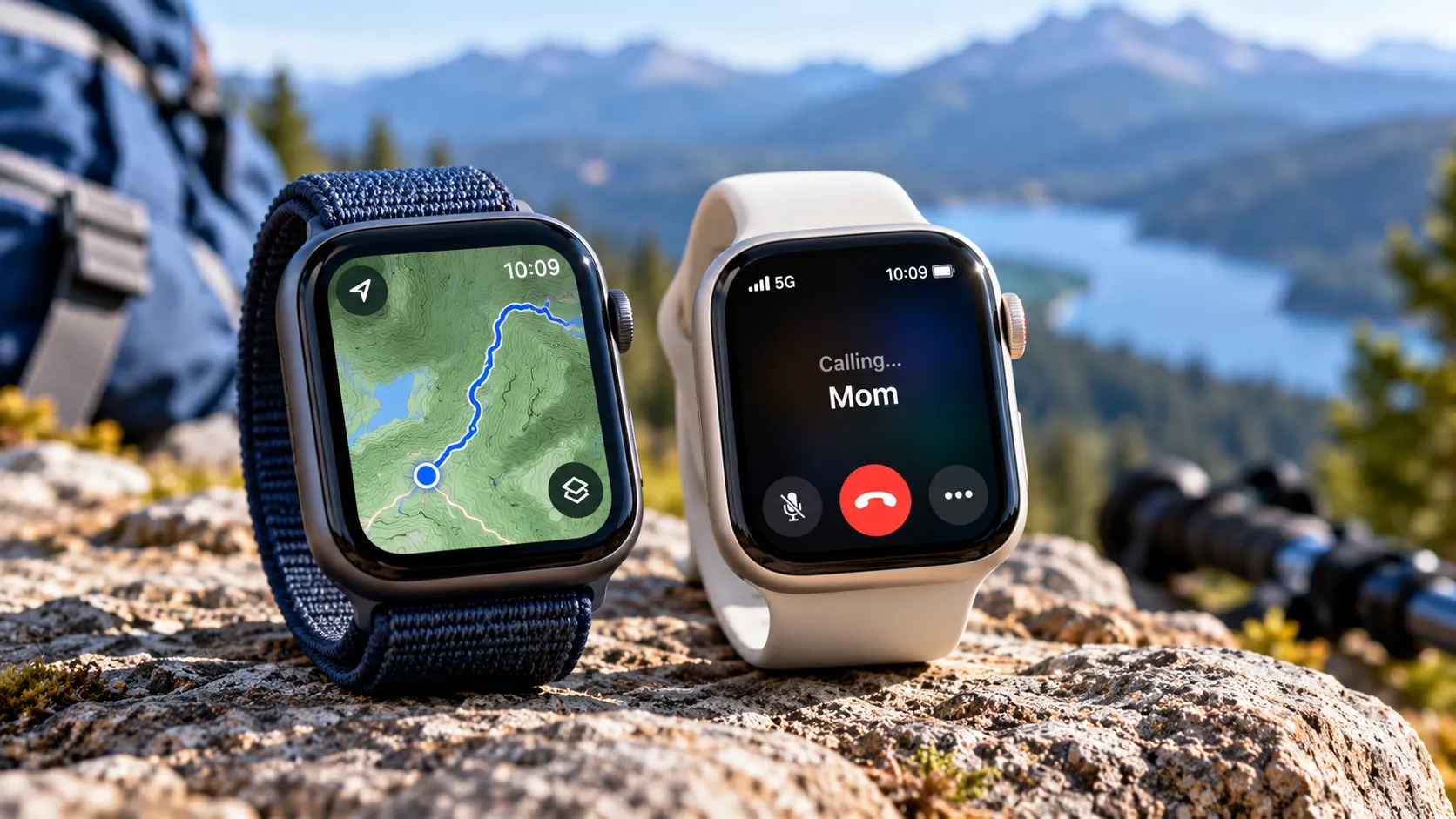
That matters for developers, too. WWDC is where Apple lays out the tools, frameworks, and platform rules that shape the next year of iPhone, iPad, Mac, Apple Watch, Apple TV, and Vision Pro software. Apple said WWDC 2026 runs from June 8 through June 12, with sessions, labs, forums, and one-on-one appointments for developers.
Why this is Cook's final WWDC as CEO
Cook is not leaving Apple entirely. After the CEO transition, he will become executive chairman and continue advising on parts of the business, including Apple's engagement with policymakers. But WWDC 2026 is still a symbolic handoff moment. The Associated Press described the conference as Apple's last developer event featuring Cook as CEO before Ternus takes the top job in September.
Ternus joined Apple in 2001 and rose through the company's hardware organization. His résumé includes major Apple product lines such as iPad, AirPods, Apple Watch, and multiple iPhone generations. That background helps explain why Apple chose him, but it also shows why WWDC matters so much this year. Ternus is a hardware leader taking over at a time when Apple's most urgent competitive question is software and AI.
That does not mean Apple's hardware culture is a weakness. The iPhone's advantage has always been the way Apple combines silicon, operating systems, apps, services, and privacy controls. But if Siri remains behind rival assistants, Ternus will inherit a company with world-class devices and an AI story that still needs to prove itself.
The Siri test
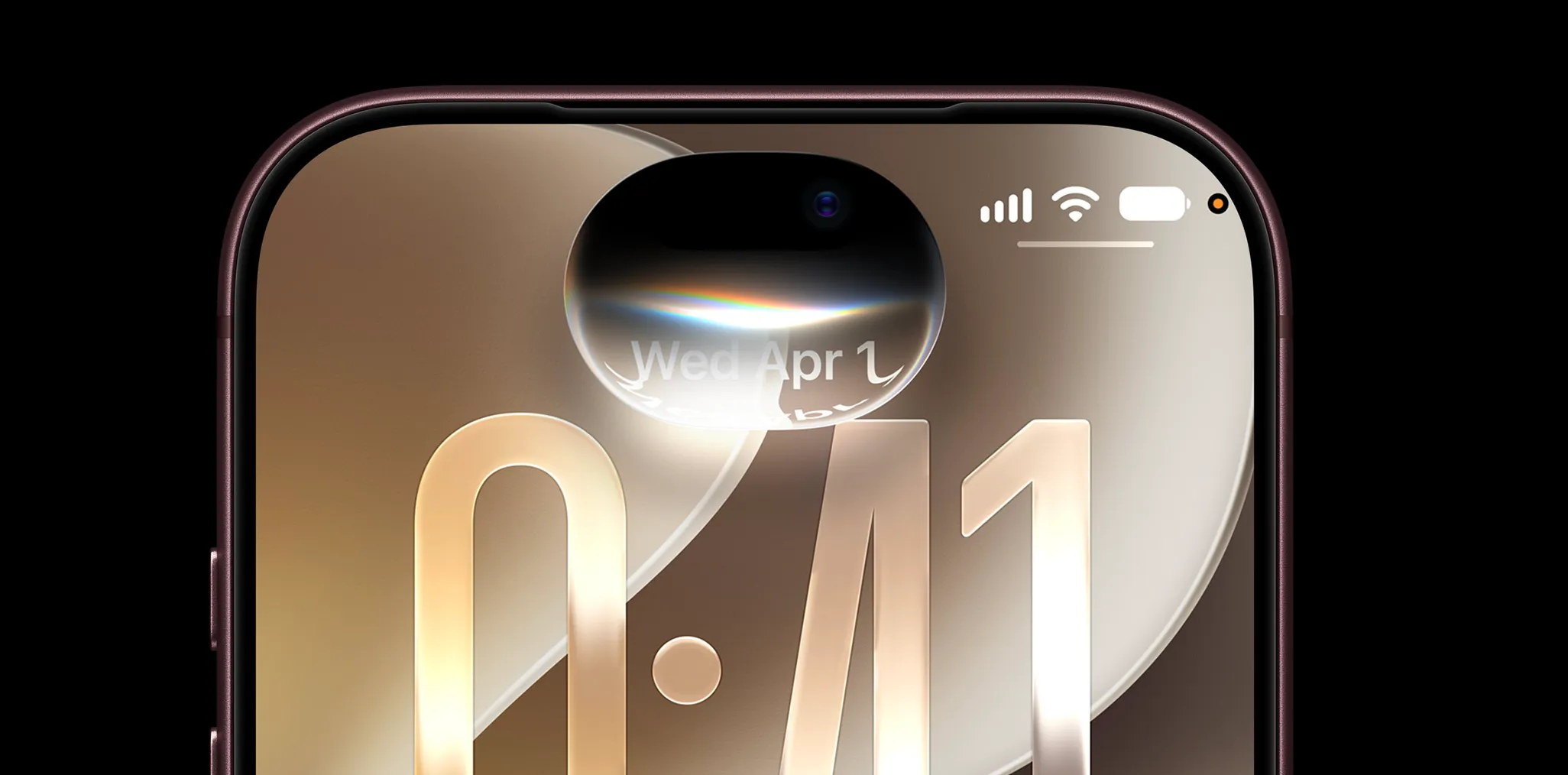
The biggest product question around WWDC 2026 is whether Apple can make Siri feel useful again. Bloomberg reporting, summarized by MacRumors, has pointed to a possible standalone Siri experience, deeper app control, Dynamic Island integration, and work involving Google's Gemini models as part of the assistant's overhaul. Those details remain reported unless Apple confirms them directly, but they show the scale of what Apple is believed to be trying to solve: Siri needs to become more conversational, more capable across apps, and less dependent on narrow command phrasing.
For everyday iPhone users, the practical test is simple. Can Siri complete multi-step requests without handing the user off to another screen? Can it understand what is on the display? Can it work across apps without breaking privacy expectations? And will the most useful features run on the phones people already own, or only on newer models with more capable Apple silicon?
Apple has already told developers that App Intents are central to this direction. Its developer documentation says App Intents can make app actions and content available to Siri, Spotlight, Shortcuts, controls, and other system experiences, including interactions that use Apple Intelligence's personal context and action capabilities. For users, that could eventually mean more natural commands like finding information inside an app, taking an action across apps, or triggering a workflow without manually building a Shortcut first.
That is why WWDC 2026 is not just about whether Siri sounds smarter in a demo. It is about whether Apple gives developers enough structure to build apps that Siri can actually use.
What Ternus inherits
Apple's leadership structure also shows how much of the next era depends on execution across hardware and software. On the same day Apple announced the CEO transition, it also said Johny Srouji had been named chief hardware officer, expanding his role across Apple silicon and hardware engineering. That keeps deep hardware expertise at the top while Ternus moves into the CEO role.
The challenge is that Apple's AI execution will still depend heavily on its software leaders and developer ecosystem. A more capable Siri needs reliable models, strong privacy protections, clear developer tools, and enough device performance to make the experience feel fast. Ternus's job will be to connect those pieces into products people actually use.
That is also why the next few months matter. Before Ternus officially becomes CEO, developers and beta users should begin to show whether Apple's Siri direction is working outside controlled keynote demos. Watch for device support, beta availability, privacy disclosures, App Intents adoption, and whether Siri can handle real app actions without forcing users back into manual steps.
Cook's final AI test
Cook's legacy at Apple is already enormous. During his tenure, Apple expanded far beyond the iPhone into services, wearables, custom silicon, privacy-focused features, and a much larger global business. Apple's April 2026 earnings release said the company posted March-quarter records for total revenue, iPhone revenue, and earnings per share, while Services reached a new high.
But WWDC 2026 raises a different question: Is Cook leaving behind a platform ready for the next decade of personal computing?
That answer depends less on keynote language than on what users and developers can do with Apple's software after the event. If Siri becomes a more reliable way to control apps, understand context, and help users get things done on their devices, Ternus inherits a stronger AI foundation. If the assistant remains mostly promise and presentation, he starts his tenure with Apple still trying to catch up.
The takeaway is practical: Watch what Apple says about supported devices, privacy, beta timing, App Intents, and real Siri actions. Those details will matter more than the succession symbolism, because they determine whether Apple's AI reset actually changes what you can do with your iPhone.


Comments
Be the first, drop a comment!