



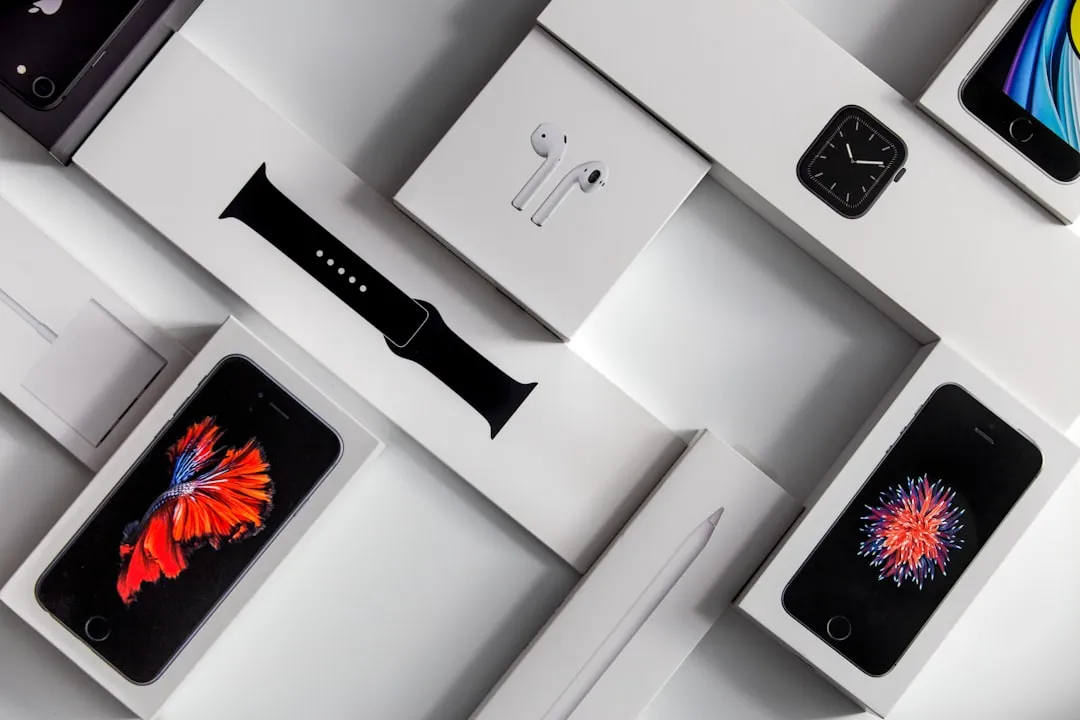
Tariffs are back on the table—and this time, they're simpler but no less consequential. After a federal judge blocked President Trump's country-specific reciprocal tariff plan, the administration pivoted to a sweeping 10% baseline tax on nearly all imports, according to Reuters. The White House proclamation under Section 122 took effect 2026-02-24 (12:01 a.m. ET) and applies broadly across goods entering the U.S.—including the smartphones, laptops, tablets, and accessories that power the Apple ecosystem. While the legal framework allows only a 150-day enforcement window without Congressional approval, as Reuters reports, that's enough time to ripple through global supply chains and hit your wallet. Apple alone faces an estimated $2 billion in additional costs, Reuters notes—roughly 0.5% of Apple's FY2024 revenue ($391.0B), but enough to pressure margins and raise urgent questions about pricing, product launches, and how tech giants will navigate this narrow but impactful window.
What just happened: from reciprocal tariffs to a flat 10%
Here's the bottom line: the original reciprocal tariff plan wasn't your typical trade policy. It targeted specific countries with variable rates based on their own trade practices—essentially a "you tax us, we tax you back" approach. But a federal court struck it down on procedural grounds, Reuters explains, leaving the administration scrambling for a legal workaround. The response? A uniform 10% levy on imports from nearly every nation, invoking Section 122 emergency powers typically reserved for balance-of-payments crises.
Now, Section 122 isn't something you hear about every day. It's an obscure trade mechanism that essentially lets the president declare an economic emergency and impose tariffs without going through the usual lengthy negotiation and approval process. The catch? Congress must approve any extension beyond five months, according to Reuters, putting a mid-September expiration date on the calendar—right as Apple typically launches new iPhones. That timing creates a strategic puzzle for Cupertino: build fall production plans around tariff-affected costs, or bet on expiration and risk being caught flat-footed if Congress extends the policy?
The flat structure means no country gets special treatment. Goods from China, Vietnam, India, and beyond all face the same 10% surcharge. For tech companies relying on intricate, multinational supply chains (and Apple's supply chain is about as multinational as they come), this uniformity doesn't simplify the challenge. It just spreads the cost burden evenly across every link in the chain, from the factory floor in Shenzhen to the distribution center in Kentucky.
How a 10% tax translates to real-world device pricing
Let's break it down. A 10% import tax doesn't automatically mean your next iPhone or MacBook will cost exactly 10% more—pricing doesn't work that cleanly. But it does mean Apple and its peers face some tough decisions about absorbing costs versus passing them on to consumers.
Consider a $999 iPhone with roughly $600 in imported components. That device faces about $60 in tariff costs. Apple could absorb the full hit to protect market share, split the difference by passing $20-30 to consumers through a $1,019-1,029 price point, or negotiate harder with suppliers to squeeze margins elsewhere in the chain. With the company's $2 billion total exposure, per Reuters, spread across roughly 200 million device sales annually, we're looking at $10-15 per unit—meaningful but not catastrophic.
Historically, consumer electronics pricing is sticky. Companies really hesitate to alienate buyers with sudden hikes, particularly Apple, which has built its brand on premium-but-predictable pricing tiers. But a prolonged tariff—or even the threat of one—could force incremental increases that creep in over time. You might not see a press release announcing "iPhone now $100 more due to tariffs," but you could notice the next-generation model launching at a slightly higher starting price than its predecessor, with the tariff buried among other cost factors like component upgrades and inflation adjustments.
Accessories are especially vulnerable in this scenario. Products like AirPods, Apple Watch bands, third-party cables, and cases often carry lower margins and depend on high-volume imports to stay profitable. A 10% tariff on a $30 cable might not sound like much, but when you're selling millions of units, the math gets painful fast. Even if the policy expires after 150 days without Congressional extension, as Reuters outlines, manufacturers may use the disruption as cover for strategic price adjustments that stick around long after the tariff disappears—a phenomenon we've seen play out in other industries when temporary cost pressures create permanent pricing resets.
Supply chain scrambles: inventory, sourcing, and the 150-day clock
Five months isn't long when you're talking about global manufacturing cycles, but it's enough to trigger a wave of tactical scrambling. Right now, companies are likely front-loading shipments—accelerating orders that were originally scheduled for later in the year to lock in current terms before any potential Congressional extension kicks in. Think of it like rushing to the grocery store before a hurricane: you're not sure how bad it'll get, but you'd rather have too much than too little.
This inventory surge creates its own set of problems. Logistics networks get strained, freight costs spike, and ports can become bottlenecks as everyone tries to move product simultaneously. Warehouses fill up, tying up capital in inventory that might not move as quickly as planned. And if the tariff does sunset after five months? Companies are left holding excess stock they paid to rush, which then needs to be cleared through promotions or markdowns.
Meanwhile, firms with diversified sourcing strategies are running the numbers on whether to reroute orders. Apple has been gradually expanding production beyond China into Vietnam and India over recent years. But here's the thing: with a flat 10% rate across all countries, there's no tariff-free haven to pivot toward. You're just choosing which 10%-taxed location offers the best combination of quality, capacity, and logistics.
The countdown to mid-September adds a layer of strategic gambling to every decision, as Reuters confirms. Do you invest in long-term supply chain redesign—building out new manufacturing partnerships, requalifying suppliers, reengineering logistics—knowing it'll take months or years to pay off? Or do you bet that the tariff sunsets quietly and avoid costly pivots that might prove unnecessary?
For Apple and other hardware makers, the answer likely involves some hedging. Near-term inventory buffers to weather the immediate storm, coupled with quiet exploration of alternative assembly locations for future product cycles. It's a balancing act between short-term pragmatism and long-term strategic positioning, all playing out against a ticking clock that expires right as fall production reaches peak intensity.
Product launch timing and the fall lineup question
Here's where things get interesting for Apple's famously orchestrated product calendar. The company's annual cadence typically sees new iPhones in September, updated iPads and Macs sprinkled throughout the year, and a holiday push for accessories, services bundles, and gift-friendly items. That mid-September expiration date isn't random bad luck—it lands squarely in the window when Apple finalizes pricing, locks component orders, and commits to production volumes for its biggest revenue quarter.
If Congress lets the tariff expire without extension, the impact may be limited to slightly thinner margins on this generation's devices. Apple might absorb the cost hit on products already in production, betting that stable pricing protects long-term brand value and customer loyalty. But if the policy gets extended—or if the administration finds another legal mechanism to maintain trade pressure—launch pricing for the iPhone 16 lineup and fall Mac refreshes could very well reflect the added burden.
There's also the timing strategy to consider. Companies might shift announcement or availability dates to manage inventory risk. Delaying a product launch by two or three weeks can mean the difference between tariff-affected and tariff-free cost structures, especially if you're betting on an expiration date. Alternatively, an early launch lets you lock in pre-tariff inventory for holiday sales, then reassess cost structures for spring production runs based on whatever policy landscape emerges.
Apple typically locks component orders six to eight months ahead of major launches, meaning decisions happening right now—in late spring 2025—directly affect what you'll see on stage in September and what you'll pay at checkout in October. The strategic chess game plays out behind closed doors while consumers just see the final result: a product announcement date, a price tag, and a "notify me when available" button that may or may not reflect the tariff drama happening backstage.
PRO TIP: If you're planning a fall device upgrade, pay close attention to pricing announcements in September. A higher-than-expected starting price—say, $1,049 instead of the traditional $999 for a base iPhone—could signal that Apple is passing through tariff costs. Conversely, if pricing holds steady, the company is likely absorbing the expense to maintain competitive position.
What it means for you: price changes, availability, and buying strategy
Let's talk about what all this means for your wallet. As a consumer, the immediate effect may be subtle at first. Maybe a $50 bump on a $1,299 MacBook Air. A $10 increase on AirPods. An extra $15 on that new iPad case you've been eyeing. These increments don't sound dramatic in isolation, but they add up fast when you're buying across the ecosystem—a laptop, a tablet, a phone upgrade, accessories for each.
If you're planning a major purchase in the next few months, you've got a strategic window here. Current pricing likely reflects pre-tariff cost structures, especially for inventory that was already in the pipeline when the policy took effect in early April. Locking in a purchase now—particularly for big-ticket items like MacBooks or iPads—could save you money compared to waiting until fall, when any tariff-driven adjustments would have fully worked through production cycles and pricing models.
Watch for early-bird promotions or inventory clearance sales as retailers and manufacturers work to manage stock levels ahead of the tariff's uncertain future. If companies front-loaded shipments to beat potential extensions, they'll need to move that inventory—which could mean deals for savvy shoppers willing to act quickly. Education discounts, trade-in programs, and refurbished options might become even more attractive as cost pressures mount and companies look for ways to maintain sales volume without alienating price-sensitive buyers.
On the flip side, if the tariff expires without extension in mid-September, prices could stabilize or even dip slightly as companies clear excess inventory accumulated during the spring and summer rush. Apple's substantial exposure, according to Reuters, means the company has serious skin in this game. They'll work hard to minimize consumer-facing disruption because alienating customers over pricing is the last thing a premium brand needs. But no one—not Apple's executive team, not industry analysts, not even the policymakers themselves—can predict with certainty what Congress will do or whether legal challenges will reshape the landscape again.
PRO TIP: Set up price tracking alerts on products you're considering. Services like CamelCamelCamel for Amazon or Honey for broader retail can notify you of price drops. If you're eyeing a big-ticket item but can afford to be flexible on timing, you might catch a clearance opportunity as the September deadline approaches and companies adjust inventory strategies.
Where do we go from here?
The shift from targeted reciprocal tariffs to a flat 10% import tax marks a significant policy pivot with real, measurable consequences for the tech industry and anyone who relies on Apple products. With an estimated $2 billion exposure for the company, Reuters reports, and enforcement limited to 150 days absent Congressional action, as outlined by Reuters, the next five months will test supply chain agility, corporate pricing strategies, and consumer patience in equal measure.
What happens next is genuinely uncertain. Congress could extend the tariff through new legislation, let it expire quietly, or negotiate a modified version with different rates or coverage. The administration could pivot to yet another legal mechanism to maintain trade pressure. Courts could intervene again, reshaping or blocking implementation based on constitutional or procedural challenges. Tech companies, meanwhile, will continue doing what they do best: adapting, optimizing, and managing risk in real time while trying to shield customers from as much disruption as possible.
Whether this tariff becomes a temporary blip or a lasting fixture in the trade landscape depends on forces well beyond any single company's control. But the practical reality remains: global trade policy is in flux, and the devices you use every day—your iPhone, your MacBook, your AirPods—are caught squarely in the crossfire.
Key dates to watch:
Mid-September: 150-day window expires unless Congress acts
Summer 2025: Apple's fall production ramp intensifies, locking in costs for holiday quarter
July-August 2025: Potential Congressional hearings or markup sessions on tariff extension
Keep an eye on pricing trends as we move through spring and summer. Watch for strategic shifts from Apple and its competitors—supply chain announcements, pricing adjustments, launch timing changes. And be ready to adjust your buying plans as this high-stakes countdown unfolds, because the next 150 days will determine whether this trade policy chapter ends quietly or escalates into something more permanent. The bottom line? Staying informed and timing your purchases strategically could save you real money in an environment where every dollar counts.









Comments
Be the first, drop a comment!