



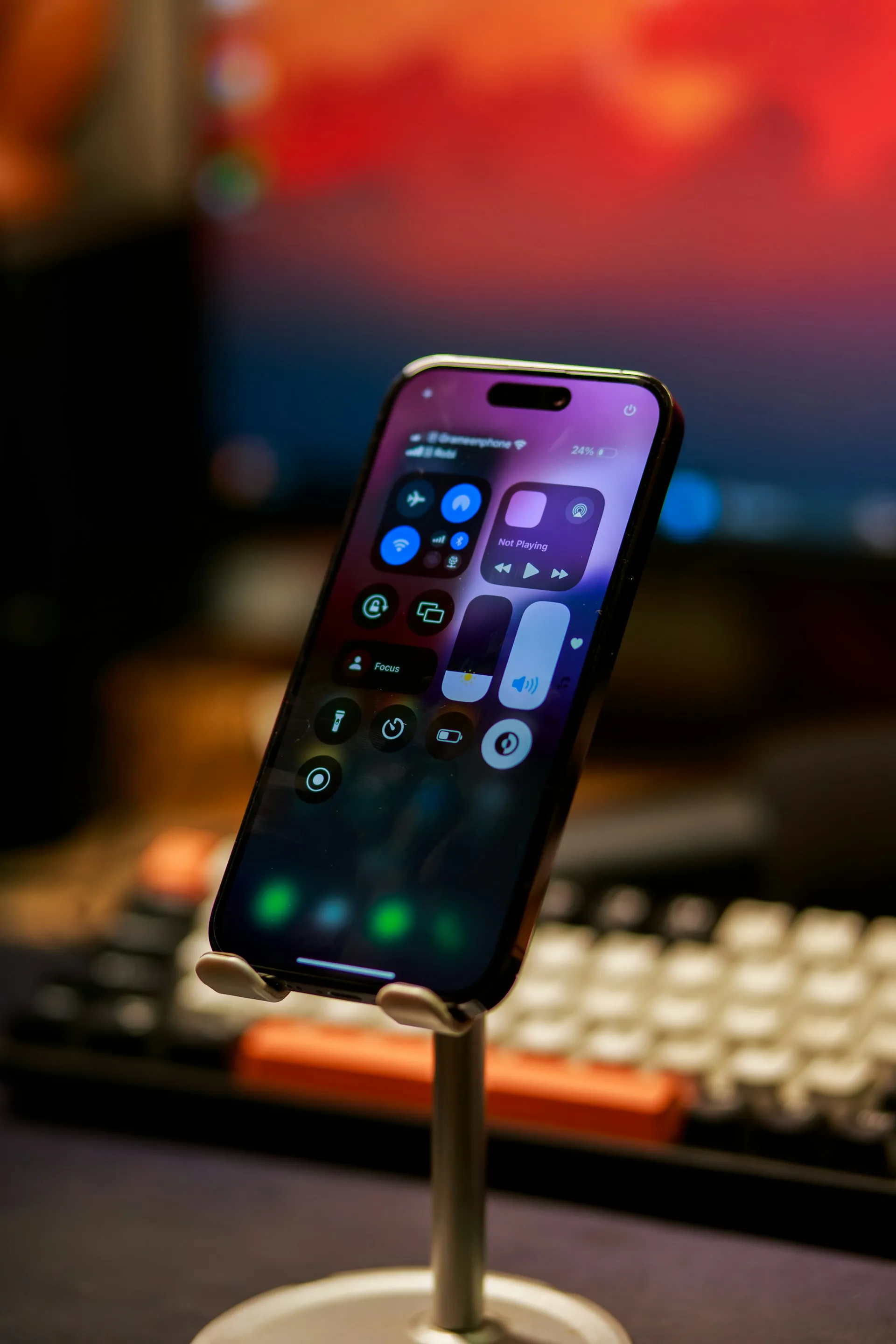
Apple has just rolled out iOS 26.3, and it's bringing some significant changes that European users have been waiting for. The European Commission has praised these interoperability updates, crediting the Digital Markets Act (DMA) with creating fresh opportunities for both users and developers. This is Apple's response to regulatory pressure that changed how third-party devices can work with iPhones and iPads. The update introduces proximity pairing capabilities for non-Apple accessories and enhanced notification forwarding, marking Apple's implementation of the first EU interoperability requirements.
While these changes are currently limited to EU users, they represent the most significant opening of Apple's walled garden since the company started allowing third-party app stores in Europe. More importantly, these changes reveal how Apple plans to balance compliance with its core privacy and user experience principles. Let's break down what's actually changing and what it means for users and developers.
What proximity pairing means for third-party devices
Here's where things get technically interesting for accessory makers and users alike. EU wearable device manufacturers can now test proximity pairing functionality and improved notification systems, according to the latest iOS 26.3 implementation. The experience transformation is significant: third-party earbuds can now pair with your iPhone or iPad using the same seamless approach that AirPods have enjoyed—simply bring the accessory close to your device and tap to connect. The DMA specifically mandates that Apple must provide third-party accessories with equivalent capabilities and device access that Apple's own products receive, ensuring a level playing field.
If you've ever tried pairing non-Apple wireless earbuds with an iPhone, you know the current friction: diving into Settings, navigating to Bluetooth, putting your device in pairing mode, and hoping everything connects properly. With AirPods, you just open the case near your iPhone and get that slick pairing animation. Starting with iOS 26.3, devices like earbuds will be able to pair with an iOS device in an AirPods-like way by bringing the accessory close to an iPhone or iPad to initiate a simple, one-tap pairing process.
The implementation scope extends beyond just earbuds. Developers can currently test this functionality with various device types, including smart TVs, smartwatches, and headphones, though the complete rollout won't happen until 2026. This testing phase gives manufacturers crucial time to understand the new APIs and integrate proximity pairing into their product roadmaps. The testing phase in iOS 26.3 will be "fully available in Europe" next year, suggesting Apple is taking a measured approach to ensure stability before the full rollout.
How notification forwarding changes the game
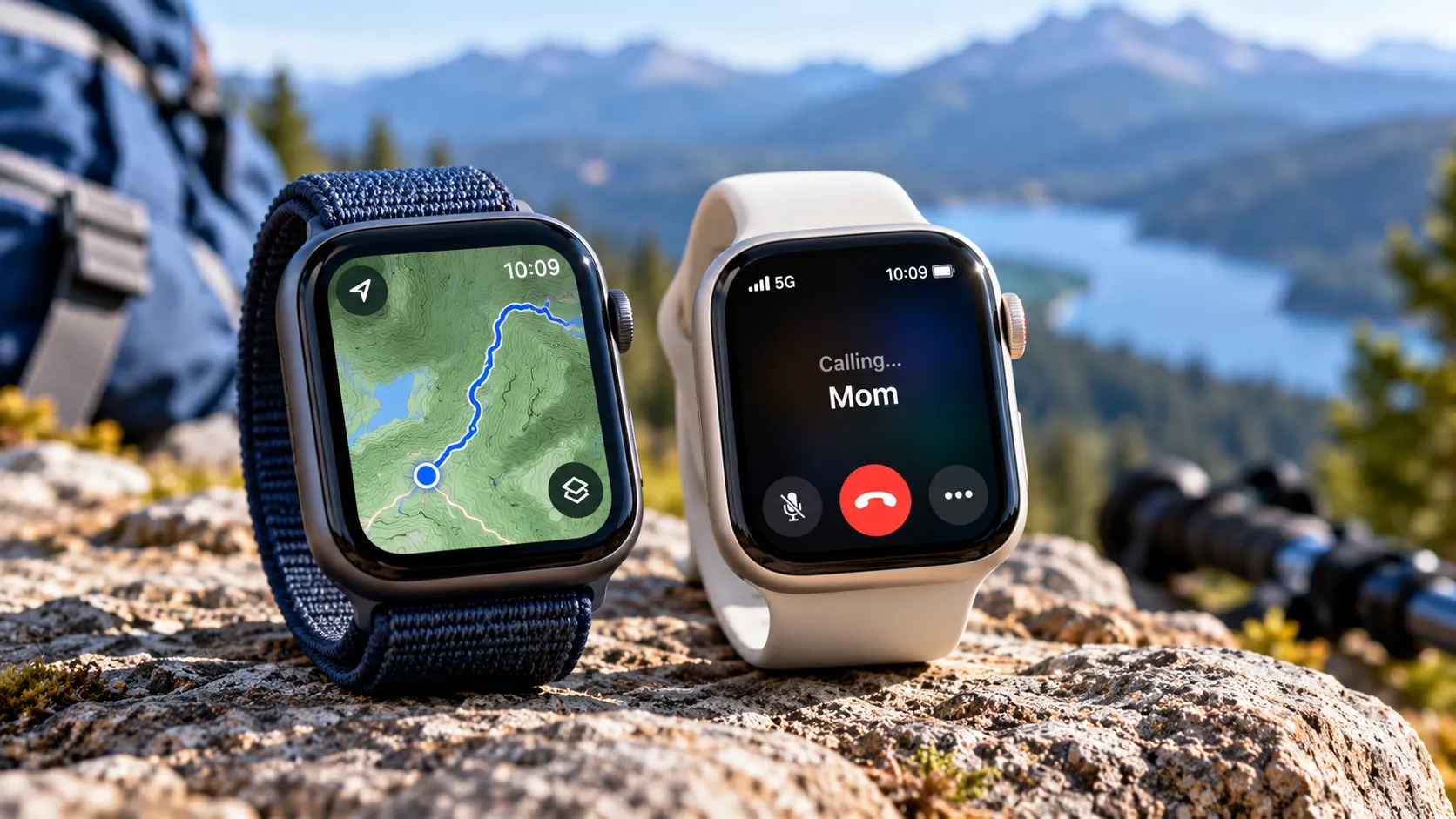
The notification system overhaul might be even more significant than proximity pairing, especially for smartwatch users who've felt locked into Apple's ecosystem. Why? Because it fundamentally changes the value proposition of non-Apple wearables when paired with iPhones. Apple has introduced a dedicated "Notification Forwarding" interface within Settings > Notifications, allowing users to designate a third-party device for receiving iPhone notifications. This represents a major architectural shift from the previous system.
Previously, iOS forwarded notifications via Bluetooth, but only to a very limited extent. The new implementation provides a complete overhaul that puts third-party smartwatches on nearly equal footing with the Apple Watch when it comes to notification handling. Notifications forwarded will include the name of the app and all content contained in the notification, ensuring third-party devices receive the same rich information that Apple Watch users have come to expect.
The technical foundation relies on a new AccessoryNotifications framework, though Apple's implementation details remain under wraps. The feature is built on a new AccessoryNotifications public framework, which is not yet documented on Apple's Developer portal, as the company has not released an iOS 26.3 SDK. This suggests the framework is still evolving as developers test the functionality during the beta phase.
However, there's an important architectural limitation to understand: notifications can only be forwarded to one connected device at a time. Enabling notification forwarding to a third-party smartwatch will disable notifications to your Apple Watch. It's an either-or situation, which makes sense from a technical standpoint but means users will need to choose their primary notification device.
The user experience mirrors what Apple Watch owners already know, with granular app-level control. Users can choose to have a device receive notifications only from selected apps rather than all apps, giving you precise control over which notifications make it to your wrist. This per-app granularity is crucial for managing notification overload and preserving battery life on wearable devices.
The broader regulatory landscape
This update represents just the beginning of Apple's DMA compliance journey, and the financial stakes reveal why Apple is taking these requirements seriously. Apple faces substantial penalties, with potential penalties reaching up to 10% of global annual turnover for non-compliance. With Apple's annual revenue exceeding $380 billion, we're looking at potential fines that could reach $38 billion—a figure that would represent one of the largest corporate penalties in regulatory history.
The regulatory timeline is both aggressive and interconnected, with each requirement building toward a more open ecosystem. Looking ahead, the EU has ordered Apple to create alternatives for AirDrop and AirPlay by the end of 2026. The company must also open up NFC controller access for payment data transfers to smartwatches and other NFC devices. Perhaps most notably for audio enthusiasts, Apple's fast audio switching technology, currently exclusive to AirPods, must become available to other headphone manufacturers by mid-2026.
Apple's strategic response reveals how the company is trying to comply while preserving competitive advantages around user privacy. The company has implemented new Wi-Fi Infrastructure frameworks that share network credentials without exposing historical Wi-Fi data, maintaining some privacy protections while meeting regulatory requirements. This approach suggests Apple views data privacy as its remaining competitive moat in an increasingly open ecosystem.
The scope of required changes extends well beyond current iOS 26.3 capabilities. Apple must further open up the NFC controller so that apps can transfer payment data to a smartwatch or another NFC device via it. Additionally, with iOS 27, Apple must also better support "foreign" media casting; it should receive the same rights and comfort functions as AirPlay at the operating system level. Each requirement interconnects to create a comprehensive interoperability mandate that fundamentally alters Apple's ecosystem control.
What this means for the Apple ecosystem moving forward
The iOS 26.3 changes signal a fundamental shift in how Apple's ecosystem operates, at least within EU borders. Currently, these features are only available to European users, even though the settings appear on devices worldwide. This geographic limitation reflects Apple's targeted compliance approach rather than a global policy change—the company is implementing precisely what's required where it's required, and no more.
The immediate market implications are significant, particularly for the wearable device sector. Third-party smartwatch manufacturers can finally offer notification experiences that rival Apple Watch functionality, potentially disrupting purchase decisions for EU consumers. The EU Commission views this as "another step towards a more interconnected digital ecosystem" that benefits all European citizens. Companies like Samsung, Garmin, and Fitbit have long argued that Apple's ecosystem restrictions put their products at a disadvantage when paired with iPhones. Now, at least in Europe, those competitive complaints lose much of their validity.
The implementation timeline reveals Apple's measured engineering approach to regulatory compliance. Third-party notification support is expected to enter beta by the end of this year and fully roll out in 2026, giving both Apple and accessory makers time to refine the experience. This phased approach allows for testing and iteration while meeting regulatory deadlines, which is crucial given the complexity of what Apple is being asked to implement.
From a competitive standpoint, these changes could significantly alter purchase decisions for iPhone users considering wearable devices. A Galaxy Watch or Garmin smartwatch can now receive iPhone notifications just as seamlessly as an Apple Watch, at least in terms of content richness and reliability. The proximity pairing improvements mean setup friction—historically a major advantage for Apple's ecosystem—gets largely eliminated for third-party accessories.
Bottom line: iOS 26.3 marks the beginning of a more open Apple ecosystem in Europe, driven by regulatory pressure but potentially benefiting users through increased choice and competition. Whether these changes eventually expand beyond EU borders remains to be seen, but for now, European users are getting a preview of what iPhone interoperability can look like when regulatory requirements meet Apple's engineering capabilities. The company has shown it can implement these features while maintaining its focus on user experience and privacy—the question is whether market pressure or additional regulation will eventually bring these capabilities to users worldwide.




Comments
Be the first, drop a comment!