





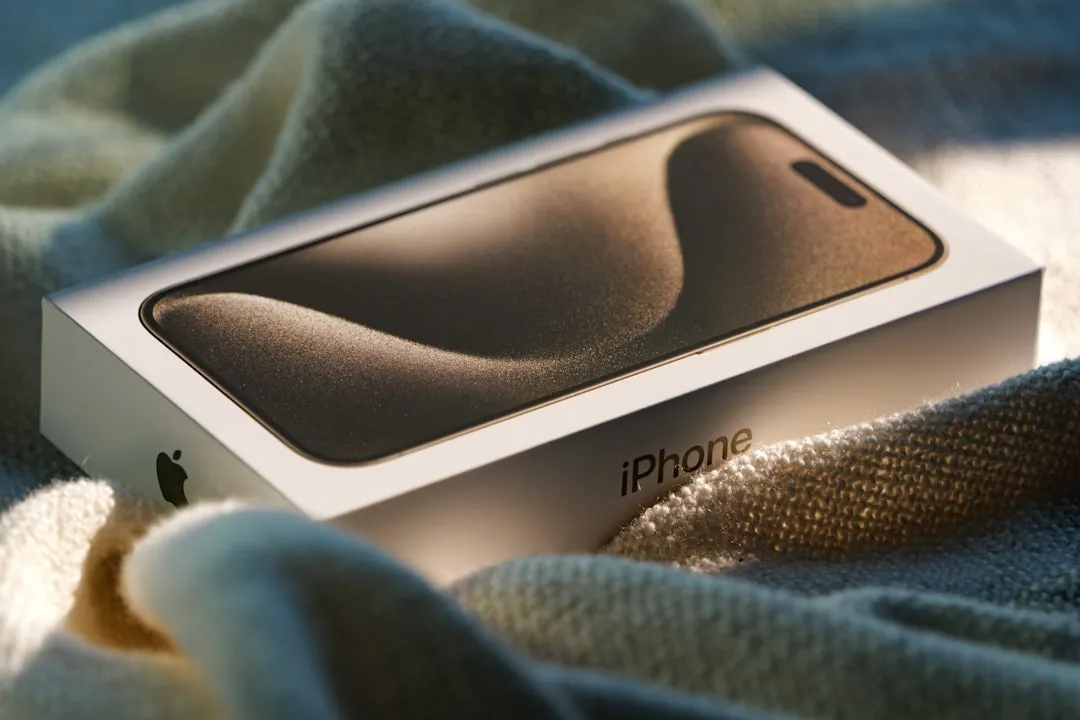
Apple's iPhone 18 lineup promises to be a groundbreaking evolution in smartphone design, arriving with some of the most significant changes we've seen since the company first introduced the Dynamic Island. The complete series will feature six distinct models, according to MacRumors—the standard iPhone 18, budget-friendly iPhone 18e, ultra-thin iPhone 18 Air, iPhone 18 Pro, iPhone 18 Pro Max, and the revolutionary iPhone 18 Fold.
Here's what makes Apple's approach fascinating: the staggered release strategy reflects a bold shift in how the company manages product launches. While the Pro models and that much-anticipated foldable device will debut in fall 2026, reports indicate the standard and Air variants won't arrive until spring 2027. This timing suggests Apple is prioritizing its highest-margin devices while ensuring each variant gets the supply chain resources and market attention it deserves—a strategic move that could reshape how we think about annual iPhone cycles.
What's changing with screen sizes across the lineup?
Apple's taking a measured approach to display evolution across the iPhone 18 family. The iPhone 18 Pro and Pro Max will maintain familiar dimensions with their 6.3-inch and 6.9-inch displays respectively, as reported by CNET. But the real story lies in the refined physical design—the base iPhone 18 will feature a notably smaller camera bump that should improve both aesthetics and daily handling, while the Pro models retain their signature wider "plateau" design to accommodate the advanced triple-camera system.
The foldable iPhone represents the most dramatic leap in iPhone screen technology since the original device launched. This book-style folding mechanism delivers a compact 5.3-inch outer display that unfolds to reveal a substantial 7.6-inch inner screen, according to MacRumors. What this means in practice is transformative: you'll handle essential tasks like checking messages, taking calls, or snapping photos on the outer display without ever opening the device, then unfold it for immersive experiences like video editing, gaming, or productivity work that benefit from tablet-like real estate.
The Dynamic Island gets its biggest makeover yet
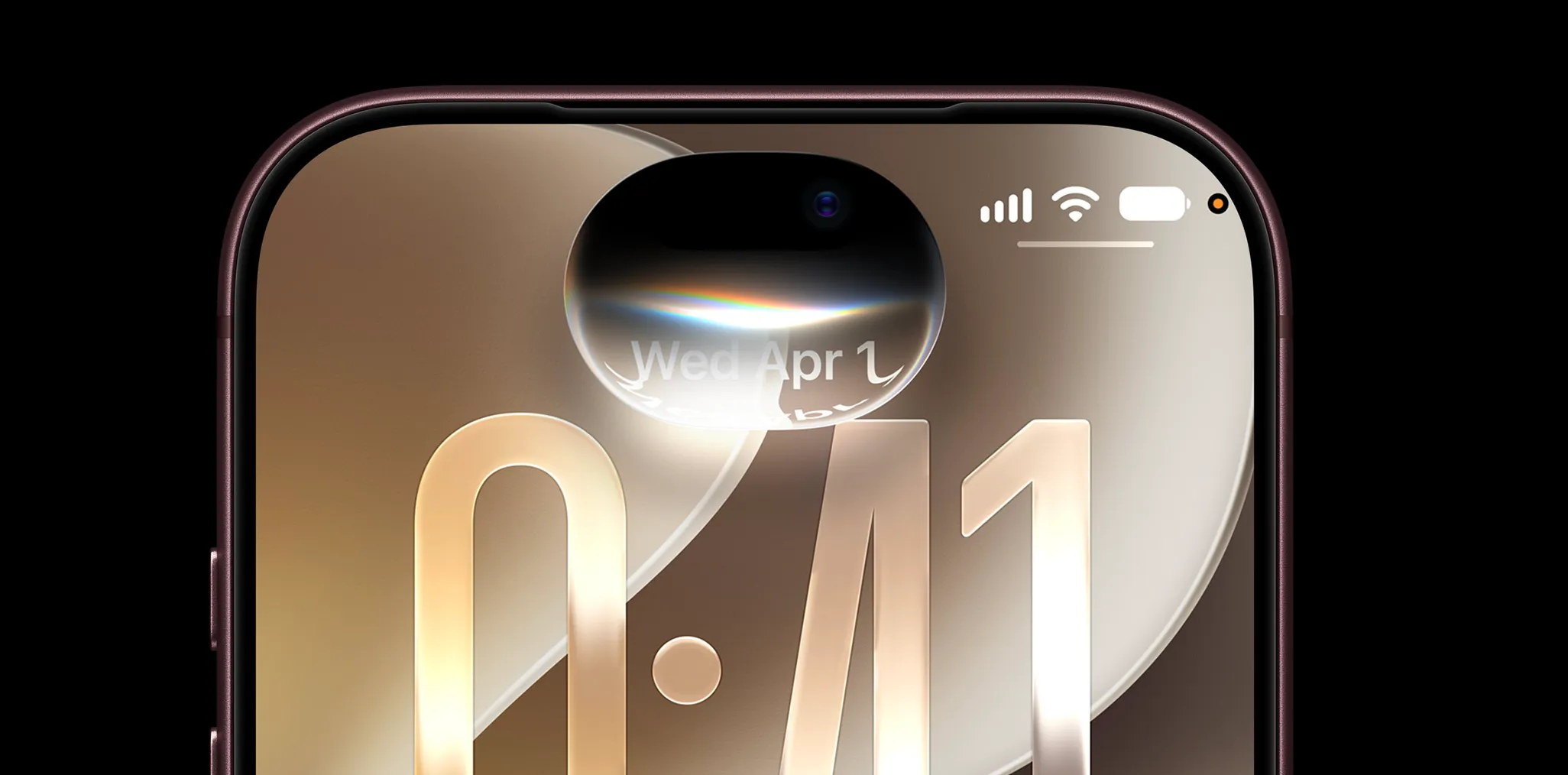
Apple is preparing the most significant Dynamic Island transformation since its 2022 debut. The company is actively testing under-display Face ID technology using specialized micro-transparent glass panels, reports suggest. This breakthrough would allow the familiar pill-shaped cutout to shrink dramatically, potentially transforming into a small punch-hole design housing only the front camera while maintaining full biometric functionality.
The technology behind this shift is genuinely impressive. Industry analysts confirm that Apple is leveraging advanced metalenses—ultra-thin flat lenses that manipulate light through surface etchings rather than traditional curved structures—according to Apple Gadget Hacks. These metalenses enable Face ID sensors to work effectively beneath the display surface, creating a cleaner aesthetic while preserving the security and convenience users expect.
This evolution positions the iPhone 18 Pro as a bridge to even more dramatic changes coming in 2027. Bloomberg's Mark Gurman suggests that the 20th anniversary iPhone will feature a truly seamless all-screen design with curved edges and no visible breaks in the display—making the iPhone 18's refined Dynamic Island an important stepping stone toward that ambitious vision.
Pro models push camera technology forward
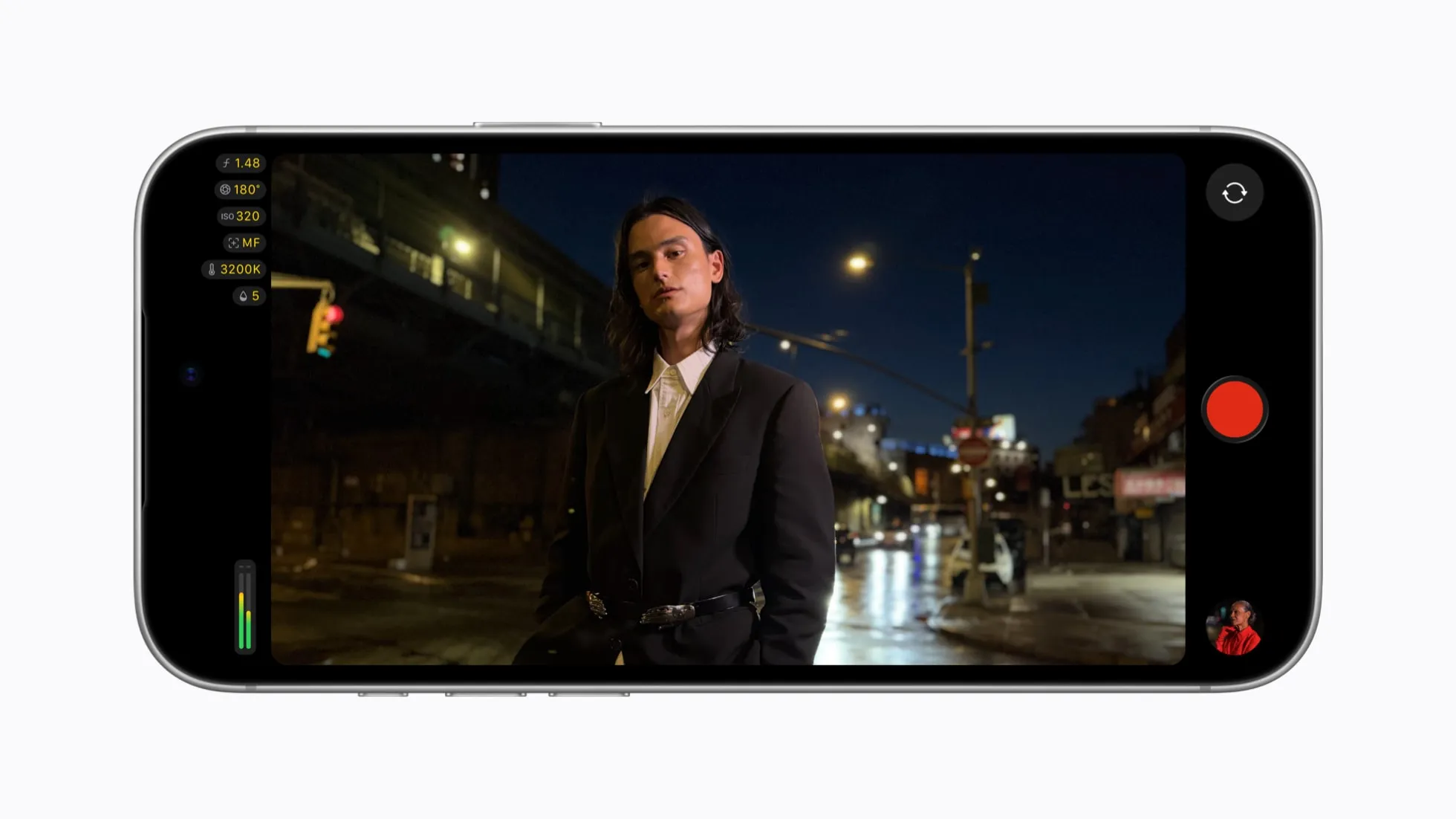
The iPhone 18 Pro Max will introduce variable-aperture control for the main camera, bringing DSLR-style manual exposure capabilities to smartphones for the first time, MacWorld reports. This mechanical iris system allows photographers to manually adjust the amount of light entering the sensor, unlocking creative possibilities that were previously impossible on mobile devices.
Imagine capturing portraits where you can precisely control how much background blur appears behind your subject, or adjusting aperture settings to optimize low-light performance for specific shooting conditions. This positions the iPhone as a genuinely serious tool for content creators who want DSLR-level control without carrying multiple devices. The feature represents Apple's recognition that smartphone photography has evolved beyond point-and-shoot convenience into a platform for artistic expression.
Supporting this camera evolution, all iPhone 18 models will receive upgraded 24-megapixel front-facing cameras, CNET indicates, delivering significantly sharper selfies and video calls. The Pro models will also feature new stacked image sensors and enhanced computational photography capabilities, translating to faster image processing, better low-light performance, and more sophisticated AI-powered photo enhancements.
Performance and connectivity leap ahead
The iPhone 18 Pro models are reported to use Apple's A20/A20 Pro chips built on TSMC's 2nm (N2) process with wafer-level MCM packaging., MacRumors confirms. What makes this particularly exciting is Apple's plan to use TSMC's Wafer-Level Multi-Chip Module packaging technology, which integrates RAM directly onto the chip wafer alongside the CPU, GPU, and Neural Engine.
This architectural breakthrough delivers tangible benefits users will notice immediately: apps will launch faster, Apple Intelligence features will process complex requests more quickly, gaming performance will reach new levels, and battery life will improve even with more demanding tasks running. The integrated design also creates a smaller chip footprint, freeing up precious internal space for other components like larger batteries or enhanced cooling systems.
Analyst and leak reports say Apple may ship a next-gen 'C2' modem (with possible mmWave support) in higher-end 2026 models, according to Mashable. This reduces Apple's dependence on Qualcomm while potentially delivering better connectivity performance and power efficiency—especially important as users rely increasingly on cloud-based AI features and high-bandwidth applications.
The foldable iPhone changes everything
Apple's first foldable iPhone represents the most significant design departure in the company's history, requiring solutions to engineering challenges no iPhone has faced before. The device will feature ultra-thin glass for the foldable display with Samsung providing the screen technology, MacRumors reports. Due to the complex internal space requirements for the folding mechanism, the foldable model will likely use Touch ID instead of Face ID, marking a strategic return to fingerprint authentication for this specific variant.
Creating a hinge mechanism that feels as premium as every other Apple product while maintaining long-term durability represents a substantial engineering achievement. The battery capacity could reach 5,400 to 5,800 mAh—making it the largest battery Apple has ever used in an iPhone—which makes sense given it's essentially powering two displays and more complex internal systems.
This innovation comes with premium pricing that reflects its groundbreaking nature. The foldable iPhone could cost between $1,800 and $2,500, nearly twice the price of the iPhone 17 Pro Max, according to the same source. That positioning targets early adopters, creative professionals, and business users who can justify the cost for the productivity benefits of having a phone that transforms into a tablet-sized workspace.
What this means for the iPhone's future
The iPhone 18 lineup represents Apple's most ambitious product strategy in years, with each model serving distinct user needs while pushing the entire smartphone industry forward. The staggered release schedule demonstrates Apple's confidence in managing supply chain complexity while ensuring each variant receives proper market attention—a strategy that could become the new normal for managing increasingly diverse product lineups.
The under-display Face ID technology and refined Dynamic Island design serve as crucial stepping stones toward the even more dramatic changes planned for the iPhone's 20th anniversary in 2027. Bloomberg's Mark Gurman suggests that milestone model will feature a truly seamless all-screen design with curved edges and no visible breaks in the display—essentially the vision of an uninterrupted glass surface that Apple has been working toward for years.
The iPhone 18 series offers a compelling preview of Apple's vision for mobile computing's future—one where foldable screens provide unprecedented versatility, advanced biometrics disappear seamlessly into the display, and professional-grade cameras rival dedicated equipment. These aren't just incremental updates; they represent fundamental shifts in how we'll interact with our most important computing device, setting the stage for an even more transformative decade ahead.







Comments
Be the first, drop a comment!