





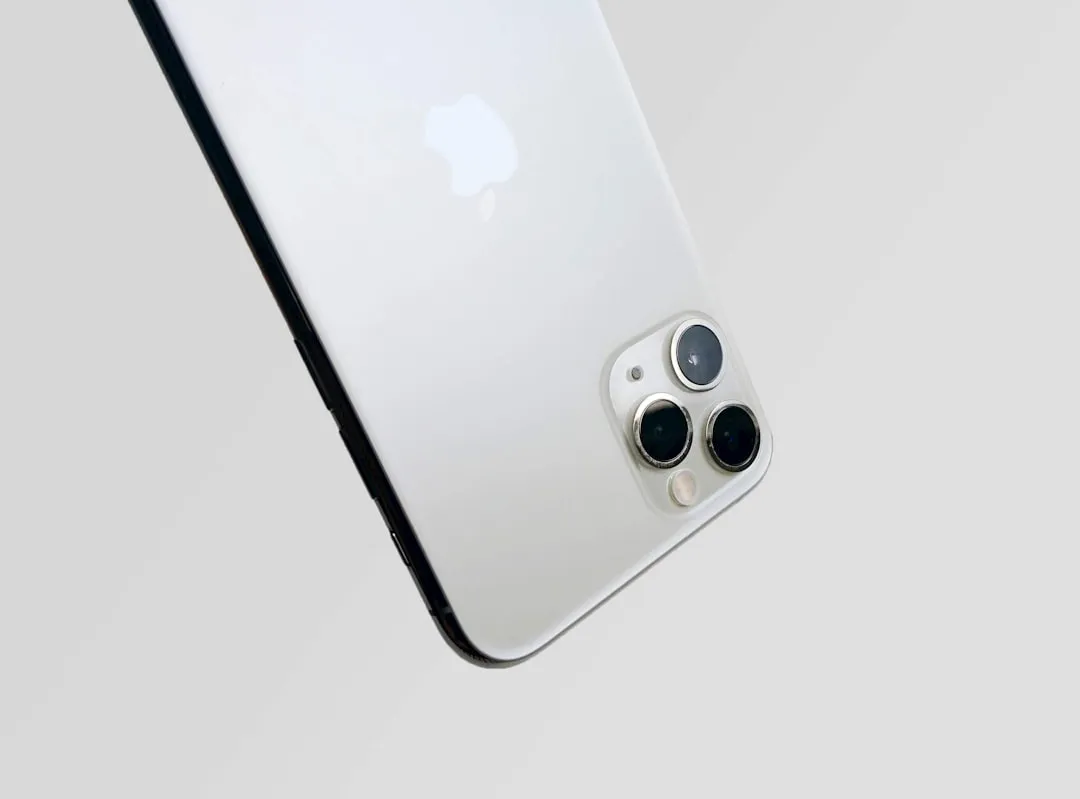
Apple's iPhone 18 lineup is shaping up to be the company's most transformative smartphone release in years. Industry analyst Jeff Pu has shared what appears to be comprehensive specifications for the iPhone 18 Pro, iPhone 18 Pro Max, and the highly anticipated iPhone Fold, according to AppleInsider. The timing is particularly strategic—while the smartphone market faces an expected 4% decline, AppleInsider reports Apple anticipates growing its market share to 21% through an estimated 250 million iPhone shipments.
What makes these leaked specifications truly compelling is how they address current smartphone limitations while pushing into entirely new territory. We're looking at breakthrough display technology, professional-grade camera systems, and Apple's first foldable device—all designed to redefine what users expect from their phones. Let's break down exactly what Apple has planned for 2026.
iPhone 18 Pro models: The end of the Dynamic Island era
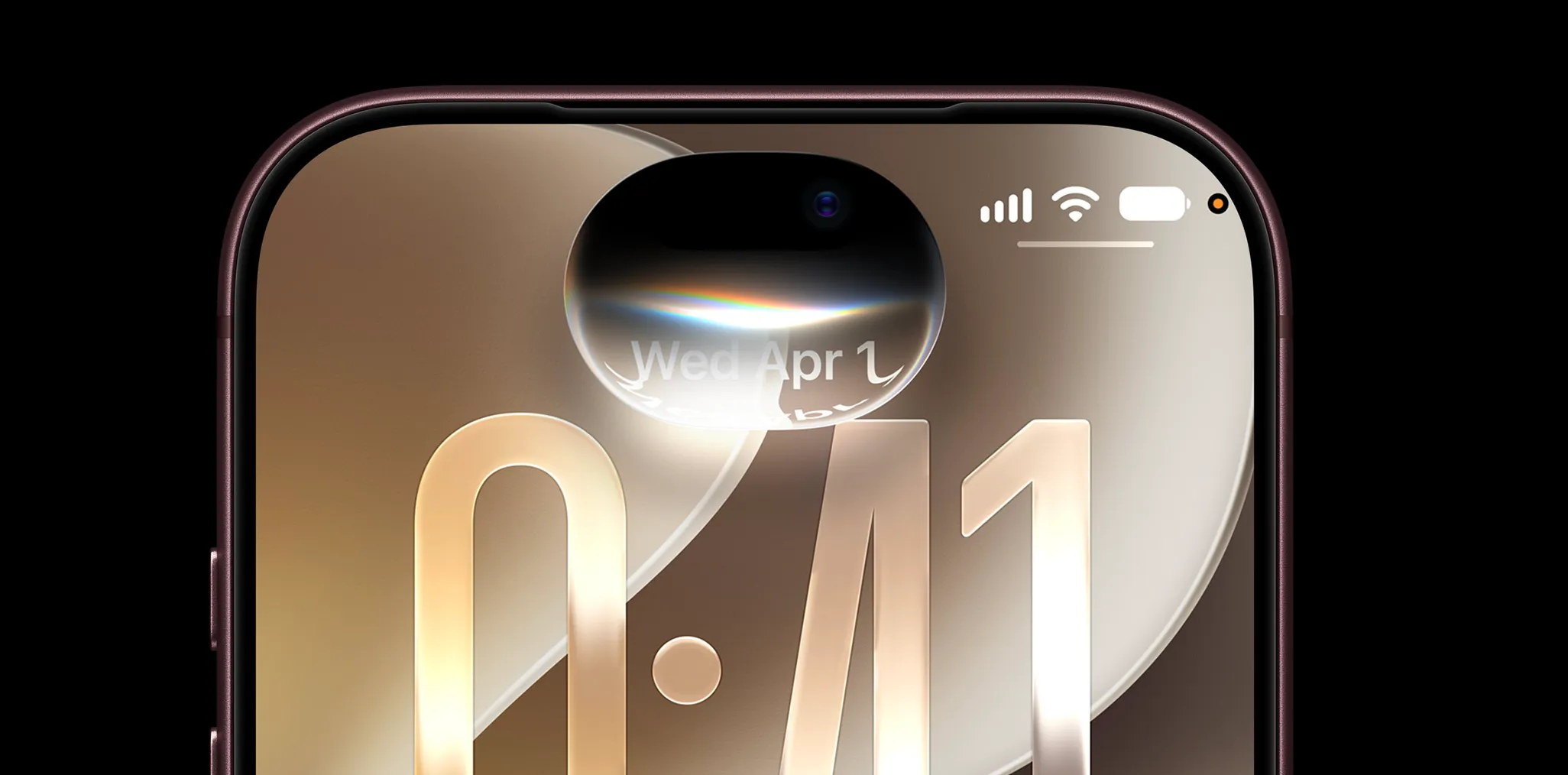
The iPhone 18 Pro and Pro Max represent Apple's boldest display evolution since the original iPhone. These models will substantially reduce/relocate the Dynamic Island or move its functions to an under-display region (reports vary) in favor of under-display Face ID technology, MacRumors confirms. This isn't just an incremental design change—it's Apple finally delivering the truly edge-to-edge display that users have wanted for years.
The technical implementation reveals Apple's engineering prowess. The front-facing camera will relocate to the top-left corner of the screen, as detailed by Mashable, breaking from Apple's typically centered design philosophy. This asymmetrical approach makes sense when considering the complex engineering required to hide Face ID sensors beneath the display while maintaining reliable performance.
Apple's partnership with Canada-based OTI Lumionics provides the specialized materials needed for this under-display Face ID system, Mashable indicates. The technology utilizes ultra-thin flat metalenses that manipulate light through surface etchings rather than traditional curved structures, Apple Gadget Hacks reports. This represents the kind of cutting-edge optics work Apple excels at, though implementing it reliably across millions of devices will be the ultimate test.
Performance gets a significant boost with Apple's new A20 Pro chip built on TSMC's cutting-edge 2nm process technology, MacRumors confirms. The real innovation lies in Apple's implementation of TSMC's Wafer-Level Multi-Chip Module packaging technology, which positions memory chips closer to the main processor for enhanced speed, efficiency, and thermal management, according to MacRumors. This packaging advancement addresses one of the biggest challenges in modern smartphone design—maximizing performance while managing heat in increasingly thin devices.
Camera upgrades that challenge professional equipment
Apple's camera improvements for the iPhone 18 Pro Max introduce capabilities that blur the line between smartphone and professional photography equipment. The standout feature is variable aperture control for the main camera, bringing DSLR-style manual exposure capabilities to smartphones for the first time, MacWorld reports.
This mechanical iris system replaces the fixed f/1.78 aperture that has remained unchanged from iPhone 14 Pro through iPhone 17 Pro models, MacRumors notes. Variable aperture control offers photographers something computational photography simply cannot replicate—true optical depth of field control and precise light management. It's the difference between software trying to simulate shallow depth effects and actually achieving them through optics.
The camera improvements extend beyond just the Pro Max. All iPhone 18 models will receive upgraded 24-megapixel front-facing cameras, CNET indicates, delivering significantly better selfie quality, particularly in challenging lighting conditions. The Pro Max specifically features a 200MP sensor by Samsung with variable aperture capabilities, PhoneArena reports.
Storage capacity expands to meet the demands of these high-resolution cameras, with the Pro Max potentially offering up to 2TB capacity, according to PhoneArena. This becomes essential when considering how much space those 200MP photos and 4K videos consume, especially if Apple enables ProRAW shooting with that massive sensor.
The display and battery systems support these demanding camera capabilities. The iPhone 18 Pro Max features a 6.9-inch screen capable of 3,000 nits brightness, PhoneArena confirms, while battery capacity reaches approximately 5,100 mAh, according to PhoneArena. This substantial battery increase helps offset the power demands of that brighter display and more powerful processor.
The iPhone Fold: Redefining the smartphone category
Apple's iPhone Fold represents the company's most ambitious hardware project in years and potentially its most important product launch since the original iPhone. This book-style foldable device features a compact 5.3-inch outer display that unfolds to reveal a substantial 7.8-inch inner screen (reported), MacRumors details.
The form factor achievements are remarkable. The device measures between 9 and 9.5mm when folded and around 4.5 to 4.8mm when unfolded, industry analyst Ming-Chi Kuo indicates. These dimensions are exceptionally slim for a foldable device, especially considering the engineering complexity of integrating two displays, a sophisticated hinge mechanism, and a large battery into such a compact form.
Apple's authentication approach addresses the unique challenges foldables present. The iPhone Fold will use Touch ID built into a side button rather than Face ID, MacRumors confirms. This decision reflects practical considerations—foldable devices encounter various orientations and usage scenarios that make Face ID implementation more complex than traditional smartphones.
The display technology showcases Apple's commitment to solving foldable devices' biggest weakness. The device features ultra-thin glass for the foldable display with Samsung providing the screen technology, MacRumors reports. Most significantly, the 2026 foldable iPhone reportedly has no visible crease, according to sources. Achieving a crease-free folding display would address the most common complaint about current foldable devices and represent a genuine technological breakthrough.
Battery capacity could reach 5,400 to 5,800 mAh, making it the largest battery Apple has ever used in an iPhone, according to sources. The device will be powered by Apple's A20 chip built on TSMC's 2nm process and will include Apple's proprietary C2 modem with mmWave 5G support, Mashable reports. This custom modem represents Apple's continued push toward vertical integration, enabling power consumption and performance optimizations impossible with third-party components.
Strategic implications for Apple's future
These specifications reveal Apple's calculated approach to differentiating premium offerings while addressing evolving market dynamics. The company demonstrates confidence in these innovations through a potentially adjusted release schedule, with only Pro models and the iPhone Fold launching in September 2026, while standard iPhone 18 and iPhone Air 2 models may arrive in March 2027, MacRumors indicates.
The iPhone Fold's pricing strategy positions it as a new product category rather than a traditional smartphone replacement. Expected to cost between $2,000 and $2,500, analyst Ming-Chi Kuo believes, it competes more with premium tablets and laptops than standard phones. The complex hinge mechanism features titanium alloy casing with stainless steel and liquid metal components, MacRumors details, justifying the premium positioning through advanced materials and engineering.
The staggered release schedule reveals Apple's risk management strategy. By launching the most cutting-edge technologies first in Pro models and the iPhone Fold, Apple can refine manufacturing processes and address any production challenges before bringing similar innovations to the broader lineup. This approach allows the company to capture early adopter premium pricing while ensuring broader market readiness.
Bottom line: The 2026 iPhone lineup represents Apple's most ambitious hardware push in recent memory, combining breakthrough display technology, professional-grade camera systems, and the company's entry into foldables. Whether these innovations drive the market share growth Apple anticipates will depend on execution, but the specifications suggest Apple is making a calculated bet that premium features and new form factors can redefine smartphone expectations for the next decade.







Comments
Be the first, drop a comment!