



Apple Health App Redesign: Readiness Score & Health Age
The Apple Health app redesign does something the app has never really done before: it tells you what to do with your numbers instead of just displaying them. A daily 0-10 readiness score arrives with a plain-language verdict like "Recover" or "Go For It," and a new "Health Age" metric compares your body's tracked stats against your actual age. Apple unveiled both as part of a broader health and fitness push tied to Apple Watch Series 12 and Ultra 4.
None of this is available yet. The redesigned app arrives later this year, starting in U.S. English on Apple Intelligence-capable iPhones and iPads, with more languages to follow (Apple). The readiness score specifically needs the new Health Sensing System built into Series 12 and Ultra 4 watches, while Health Age has a looser requirement that Apple has only partially detailed. Before deciding whether to update, hold off, or buy new hardware for this, it's worth separating what Apple confirmed from what it merely implied.
What's new in the Apple Health app redesign, and what you need before you get it
The redesign reorganizes Health around three sections instead of a flat list of charts. Insights delivers a running summary across heart, sleep, readiness, fitness, vitals, and cycle data that updates throughout the day. For You surfaces personalized nudges, like a suggestion to fix your wind-down routine after a run of late nights. Longevity tracks long-term trends across seven categories: heart health, sleep, mental wellbeing, movement, metabolic health, hearing, and nutrition (Apple).
Apple is also adding at-home movement assessments that use the iPhone camera and Apple Watch together to evaluate flexibility, strength, balance, and VO2 max. According to iThinkDiff's reporting on Apple's briefing, the assessments process entirely on-device, and no video is ever recorded or stored. A trainer can demonstrate moves on-screen while you follow along, which Apple describes as similar to having a coach present, according to TechCrunch.
None of this reaches every iPhone owner at once. Apple's own compatibility notes state the redesigned app requires an Apple Intelligence-enabled iPhone or iPad, and it says plainly that select features are iPhone-only, some capabilities may not be available in every region or language, and certain features require users to be 18 or older (Apple). If you're on an older iPhone that doesn't support Apple Intelligence, the redesigned interface, Insights tab, and For You suggestions simply won't show up when the update lands later this year.
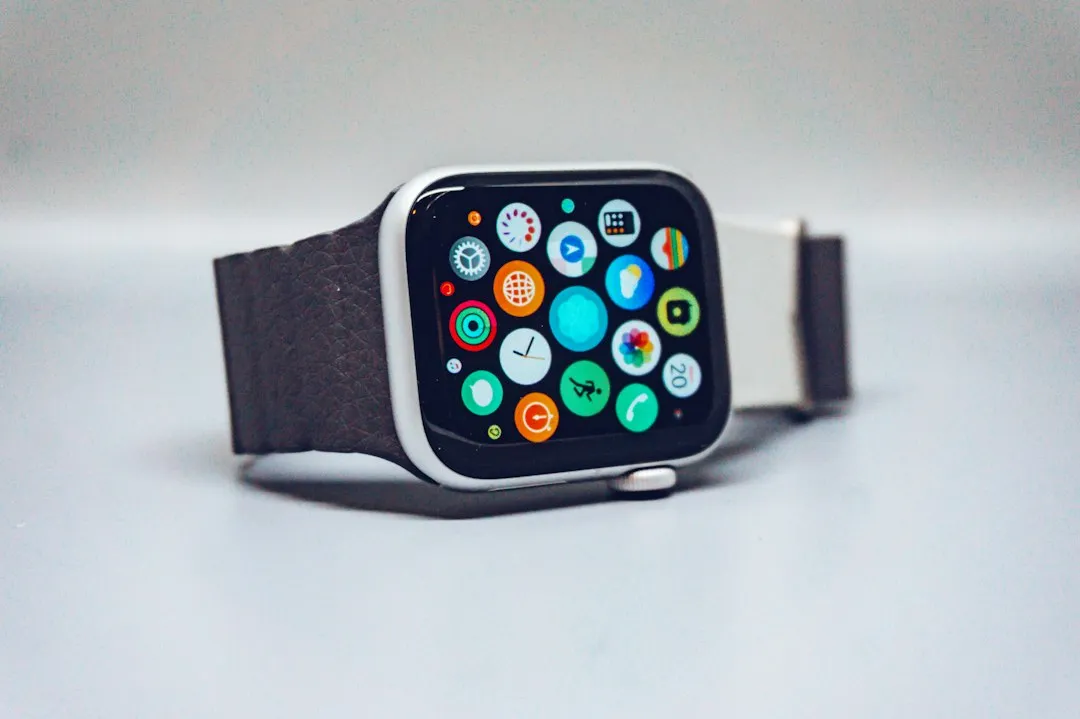
There's a separate hardware track running alongside all this. watchOS 27 arrives Monday, September 14, and works with Apple Watch Series 9 or later, Apple Watch SE 3, and Apple Watch Ultra 2 or later, paired with an iPhone 11 or newer running iOS 27 (iThinkDiff). That's the watchOS update itself, not the redesigned Health app, and definitely not the same thing as owning hardware that can generate a readiness score. That distinction matters more than it looks, because it's exactly where the two headline features start to diverge.
Readiness score vs. Health Age: what each one actually measures
Readiness is built for daily decisions. It combines recent activity, vitals, and sleep into a single 0-10 number each morning, paired with one of four recommendations: Recover, Pace Yourself, Ready, or Go For It. The score isn't static either; Apple says it updates through the day as new data comes in, so an intense workout or a rough afternoon can shift the number in real time (Apple).
That responsiveness comes from new sensor hardware, and Apple is explicit that it's a hardware-gated feature, not just a software layer riding on Apple Intelligence. Series 12 and Ultra 4 measure heart rate every five seconds all day, instead of the periodic sampling older Apple Watch models use, and check HRV every five minutes, a 24-fold jump in frequency over the old overnight-only reading (Apple). Apple frames readiness as something the Health Sensing System enables, with Apple Intelligence handling the interpretation layer on top. If you own an Apple Watch that isn't Series 12 or Ultra 4, Apple's stated hardware requirement means you won't get the readiness score even after the software update ships.
Health Age lives in the Longevity tab and works on a different timescale entirely. It compares metrics like VO2 max, resting heart rate, sleep, and HRV against your chronological age, and you can add lab values such as A1c and LDL to sharpen the estimate (Apple). Apple's compatibility notes say Health Age requires an Apple Watch, full stop, without naming a specific series or generation cutoff the way it does for readiness (Apple).
That's a meaningfully looser bar than readiness, but it isn't a blank check either. Apple hasn't published a model-by-model list confirming which specific Apple Watch generations can feed Health Age, and the compatibility details it has shared for watchOS 27 broadly (Series 9 or later, SE 3, Ultra 2 or later) describe the watchOS update itself rather than a confirmed Health Age requirement (iThinkDiff). Owners of watches outside that range shouldn't assume Health Age will work for them until Apple clarifies it, and owners inside that range shouldn't assume it definitely will, either. Treat "Apple Watch required" as confirmed and the exact model floor as unconfirmed.
Mixing these two up is an easy mistake to make, since both output a single number that sounds authoritative. Readiness is a short-term recovery and training signal tied to brand-new sensors. Health Age is a slower-moving longevity indicator that a broader range of Apple Watch hardware can apparently support. Assuming either one is a clinical measurement, rather than a wellness estimate built from consumer sensor data, is the exact trap this redesign's confident-sounding scores set up.
How far should you trust Apple's new health recommendations?
Apple backs its heart-rate sensing claims with an internal study spanning more than 1,000 participants across different demographic groups, and it says the new sensor came out ahead of every competing wearable tested (Apple). That's a real number worth noting, but Apple's announcement doesn't include the study protocol, the identities of the comparator devices, the numerical accuracy results, or any indication of peer review. It's a company-reported result, not an independently verified one, and readers have no way yet to check the claim against outside data.
The readiness algorithm carries a similar gap. Apple says it built the scoring model using data from its Apple Heart and Movement Study, developed with exercise scientists and physicians (Apple). What Apple hasn't shown is how the algorithm handles the messy variables that complicate real training: illness, medication, injury, pregnancy, irregular sleep schedules, or a training block that doesn't match a typical pattern. A "Recover" or "Go For It" label that doesn't account for any of that is still just a suggestion, not a verified assessment of your body's actual state.
A UX critique of the existing Health app is useful context here, even though it predates the redesign and doesn't test the new scores directly. Turbek's author argues that some of Apple's current calculations look more precise than they actually are, pointing to resting-energy estimates that come from basic profile data (height, weight, age, gender) rather than physiological measurement, with no published formula behind the number (Turbek). The piece argues that when an app displays a confident-looking number without showing its confidence level, users tend to trust it more than the underlying data supports. That's a fair caution about Apple's track record on transparency in Health generally. It isn't evidence that readiness or Health Age specifically are inaccurate, since neither existed when that critique was written earlier this year.
Two smaller additions show where Apple is nudging recommendations into territory with real stakes. The Health app now lets users book a lab panel covering more than 50 biomarkers for $119 through roughly 2,000 Quest Diagnostics locations in the U.S., feeding lab values directly into the Longevity tab (Apple). That's convenient if you're already near a Quest location, but there's no indication yet that the option extends beyond the U.S., and buying a panel through the app still isn't the same as getting results interpreted by a clinician who knows your history. Separately, Cycle Tracking now flags pattern deviations suggestive of perimenopause for users 40 and older, and it prompts anyone logging bleeding after menopause to see a doctor (iThinkDiff). That's a genuinely useful early flag for a life stage many people don't recognize until symptoms are well underway, but it's framed as a nudge to bring something up at your next appointment, not a diagnosis.
The pattern across all of this is consistent. A readiness score can reasonably help someone decide whether to push through a workout or take it easy, but Apple hasn't published outcome data showing that following its recommendations actually improves training results, recovery, or injury prevention. Health Age compares your metrics to your chronological age; Apple doesn't present it, in the material it has released so far, as a disease-risk prediction or a clinical age assessment. The more decisive Apple's numbers look on screen, the more they need documented accuracy and limits behind them, and right now that documentation simply isn't public.
What to do now
If you already own an Apple Intelligence-eligible iPhone or iPad, there's nothing to install yet. The redesigned Health app isn't live; it's scheduled for later this year, launching in U.S. English before other languages follow (Apple).
If you own an Apple Watch, check your specific model before assuming any feature applies to you. Health Age needs an Apple Watch, according to Apple, but the company hasn't published which exact models qualify, so don't assume compatibility either way until Apple confirms it. Readiness and the five-second heart-rate sampling are confirmed as exclusive to Series 12 and Ultra 4, so anyone on an older Watch won't get that score no matter which software update arrives.
If a Watch upgrade is on the table specifically for these features, there's a reasonable case for waiting. Apple's accuracy claims and algorithm design haven't been independently tested outside the company, and neither readiness nor Health Age has a track record yet against real-world outcomes. Watch for independent reviews once the software ships, confirm the Health Age compatibility list once Apple publishes one, and treat both scores as a conversation starter with a doctor rather than a stand-in for one.



Comments
Be the first, drop a comment!