





Apple Watch Always Listening Privacy Concerns: Siri Recap
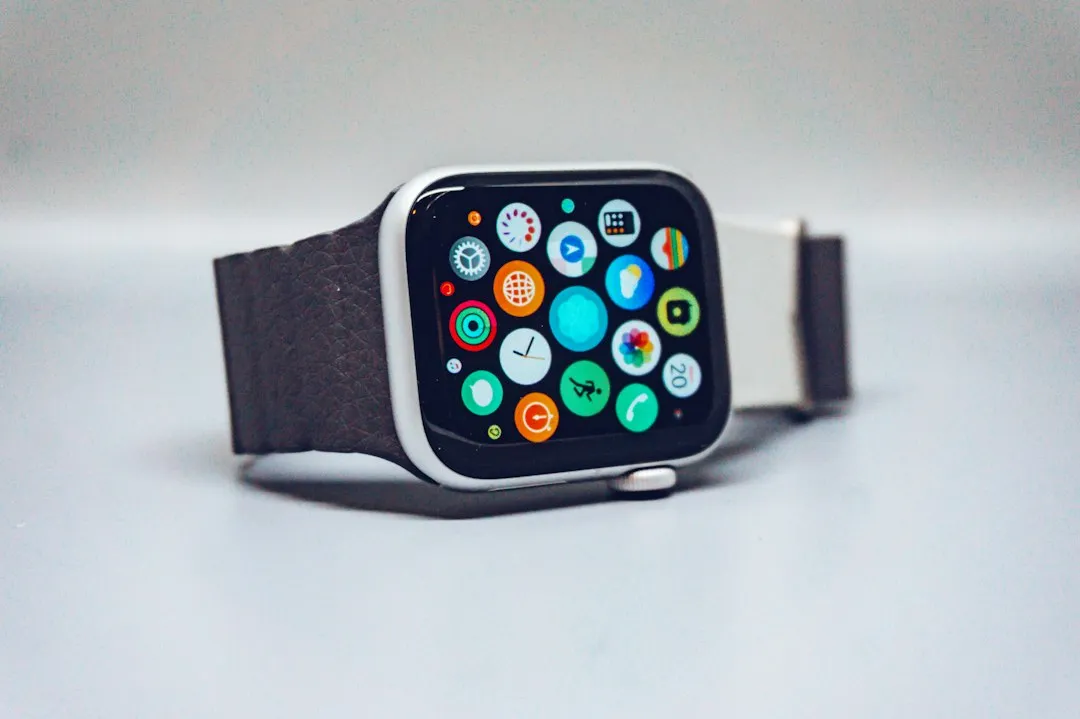
Apple Watch Series 12 doesn't wait for "Hey Siri" before it starts paying attention. Sound Recognition listens continuously for sirens, alarms, doorbells, and crying babies, flagging them with on-device intelligence even when the wearer's iPhone isn't nearby. Live Rewind goes further: a double press of the Digital Crown surfaces the previous 15 seconds of nearby conversation as a text snippet, without anyone having to ask for it in the moment.
All three Audio Intelligence features involve ambient audio in different ways. Sound Recognition classifies defined sound categories. Live Rewind captures a text snippet of the last 15 seconds of speech. Siri Recap generates a summary once a conversation ends. That range is exactly why Apple Watch always listening privacy concerns are resurfacing this week, after Apple unveiled the Series 12 lineup yesterday (Apple).
Availability isn't uniform across the three. Apple says Sound Recognition is coming to Series 12 as part of the new Health Sensing System, while Live Rewind and Siri Recap arrive later this year as beta features, according to the same announcement. The broader Apple Intelligence capabilities Siri Recap depends on require an eligible iPhone (16 or later, or 15 Pro and Pro Max) set to a supported language, alongside an Apple Watch Series 10 or later, Ultra 2 or later, or SE 3 paired with an Apple Intelligence-enabled iPhone nearby (Apple).
Apple's stated design gives users more concrete safeguards to evaluate than a vague promise that audio is "handled privately." But opt-in only covers the wearer. Live Rewind gives bystanders an audible chime and a visible indicator; Siri Recap, which produces a saved summary of a conversation, has no described equivalent. That gap, not "always listening" treated as an abstract threat, is the actual privacy question worth scrutinizing before these betas reach more devices.
Who qualifies for these Apple Watch AI listening features, and when they arrive
Sound Recognition works without a paired iPhone in range and ships as part of the Health Sensing System, positioned as a baseline capability rather than an add-on tied to a separate device, per Apple's announcement. Apple hasn't listed a specific retail date, so "coming to" is the operative phrase until it shows up as a toggle in Settings.
Live Rewind and Siri Recap are a different story. Both are labeled beta features arriving later this year, which means the versions demoed at launch aren't necessarily the versions that ship publicly. In its June announcement, Apple said new Siri AI features were opening to developers first, with a public beta to follow later this year. The September announcement confirms watchOS 27 supports Siri AI on the new hardware, which establishes platform support, not that the public beta has actually opened. Treat Siri Recap's beta status as unconfirmed until Apple's release notes say so directly.
Hardware eligibility narrows the pool further. Apple Watch SE 3 supports Apple Intelligence only when paired with an Apple Intelligence-enabled iPhone nearby, so a Series 12 owner should be able to use Sound Recognition once it's available, while Siri Recap simply won't function without that paired setup. Sorting that out matters before treating these three features as one bundled decision.
What Apple says happens to the audio, and to the text it creates
Apple's core privacy claim gets at what most people mean by Apple Watch microphone privacy: none of these features create or store audio recordings. The company says the S11 chip's Secure Exclave, a hardware-isolated compartment, processes audio separately from the rest of the system and is inaccessible to the operating system, apps, the user, or Apple, deleting the audio immediately afterward. Each feature requires its own opt-in, and Apple says the system doesn't identify or attribute individual speakers, a choice meant to protect both the wearer and the people around them.
Siri Recap specifically is built to produce a brief, high-level summary, not a transcript, and Apple says it's designed to exclude sensitive details like financial information or government-issued identifiers. Live Rewind's text snippets and Siri Recap's summaries are end-to-end encrypted and sync through iCloud into the new Siri app, inaccessible even to Apple.
These are strong claims about Apple's own hardware and software, and they remain unverified by outside researchers, with no independent audit in the public record. That's a gap in verification, not proof the architecture is flawed. Separate research examining the three most popular voice assistants found that user profiling can occur without any direct interaction at all (NSF-hosted research published last year). That finding doesn't describe Apple's Watch features specifically, but it's a reminder of why outside testing matters before taking any voice-assistant maker's privacy claims at face value.
Apple Watch Live Rewind feature vs. Siri Recap conversations
Lay the three features side by side and the differences matter more than any single one taken alone.
| Feature | What it detects | Raw audio stored? | What's retained | Syncs to iCloud? | Bystander cue |
|---|---|---|---|---|---|
| Sound Recognition | Defined sound categories: sirens, alarms, doorbells, crying (Apple) | No; Apple says raw audio is inaccessible and deleted immediately after processing | Not detailed beyond the alert itself | No | None described |
| Live Rewind | Roughly 15 seconds of nearby speech, on a double press of the Digital Crown (Apple) | No, same Secure Exclave process | A text snippet | Yes, end-to-end encrypted | Audible chime, screen animation, mic indicator |
| Siri Recap | Conversation content, summarized once the conversation ends | No, same Secure Exclave process | A title and key points | Yes, end-to-end encrypted | None described |
Sound Recognition is built to catch defined sound categories, and Apple says raw audio is deleted immediately after processing; the company doesn't detail what, if anything, gets retained beyond the alert itself. Apple's materials don't describe a bystander cue for Sound Recognition either, which fits its framing as a sound-alert feature rather than one built around conversation text.
Live Rewind and Siri Recap are the two that actually touch conversation content, and Apple treats them differently. Live Rewind plays an audible chime, even on silent mode, plus a full-display animation and microphone indicator so people nearby can see and hear that it's active. Siri Recap has no comparable cue described anywhere in Apple's materials, even though its output, a title and key points saved to the Siri app, is exactly the kind of thing a bystander might want to know exists.
Legal scholarship on wearable AI argues that tangible signals like chimes or lights should function as bystander notice and could form a basis for consent, not that a chime alone currently satisfies legal consent requirements (University of Denver, 2024). Separate research on always-listening voice apps, in a study of 214 participants, found people were generally more willing to install them when privacy protections were stronger, though that effect wasn't universal and most participants never reviewed the permissions behind those protections in detail (NSF-hosted research, 2024). That's the concrete gap the scholarship is describing: a chime exists for one Audio Intelligence feature and not the other.
What remains unclear about where the data goes
Apple frames Watch Audio Intelligence as isolated and processed on-device, but that framing sits inside a much bigger system. The same announcement cycle describes Apple Intelligence spanning iPhone, Watch, iPad, Mac, and Vision Pro, powered by next-generation foundation models built in collaboration with Google's Gemini, with some features routed through Private Cloud Compute. Apple says Private Cloud Compute never stores or exposes personal data while handling a request, but the cited materials don't specify whether Siri Recap's summary generation ever touches that cloud layer or stays fully local. That distinction matters for anyone deciding how much to trust the feature with a sensitive conversation, and it shouldn't be assumed either way.
What to check before turning these features on
Wearers should confirm their Watch model and paired iPhone both qualify for Apple Intelligence. For Siri AI-related features specifically, verify watchOS 27, a supported language, and the qualifying paired iPhone, then verify the separate opt-in for each feature, since Apple treats them as individual choices rather than one bundled setting. Before relying on Siri Recap for anything sensitive, check what syncs to the Siri app and iCloud; Apple's stated exclusion of financial details and identifiers is a design goal, not a guarantee that covers every possible conversation topic.
Hold off on enabling Siri Recap for medical, legal, HR, or otherwise confidential conversations until Apple documents retention limits and bystander notice more clearly once the beta ships. For anyone on the other side of that conversation, Apple hasn't described a bystander-facing setting, indicator, or opt-out that lets a person being recapped know or control whether a summary got created, at least not in the materials cited here. That limitation deserves to be stated plainly rather than treated as something bystanders can somehow manage on their own.
Series 12 owners can turn on Sound Recognition once it's available if its accessibility alerts are useful; Apple describes it as arriving with the new Health Sensing System, not as a beta. Test Live Rewind only in settings where its audible chime and on-screen indicator are acceptable to everyone nearby, since that cue is the entire bystander safeguard Apple has built for it so far. Siri Recap is the one to wait on: hold off until Apple documents where the processing actually happens, how long summaries are retained, and whether bystanders get any notice at all before it leaves beta.


Comments
Be the first, drop a comment!