



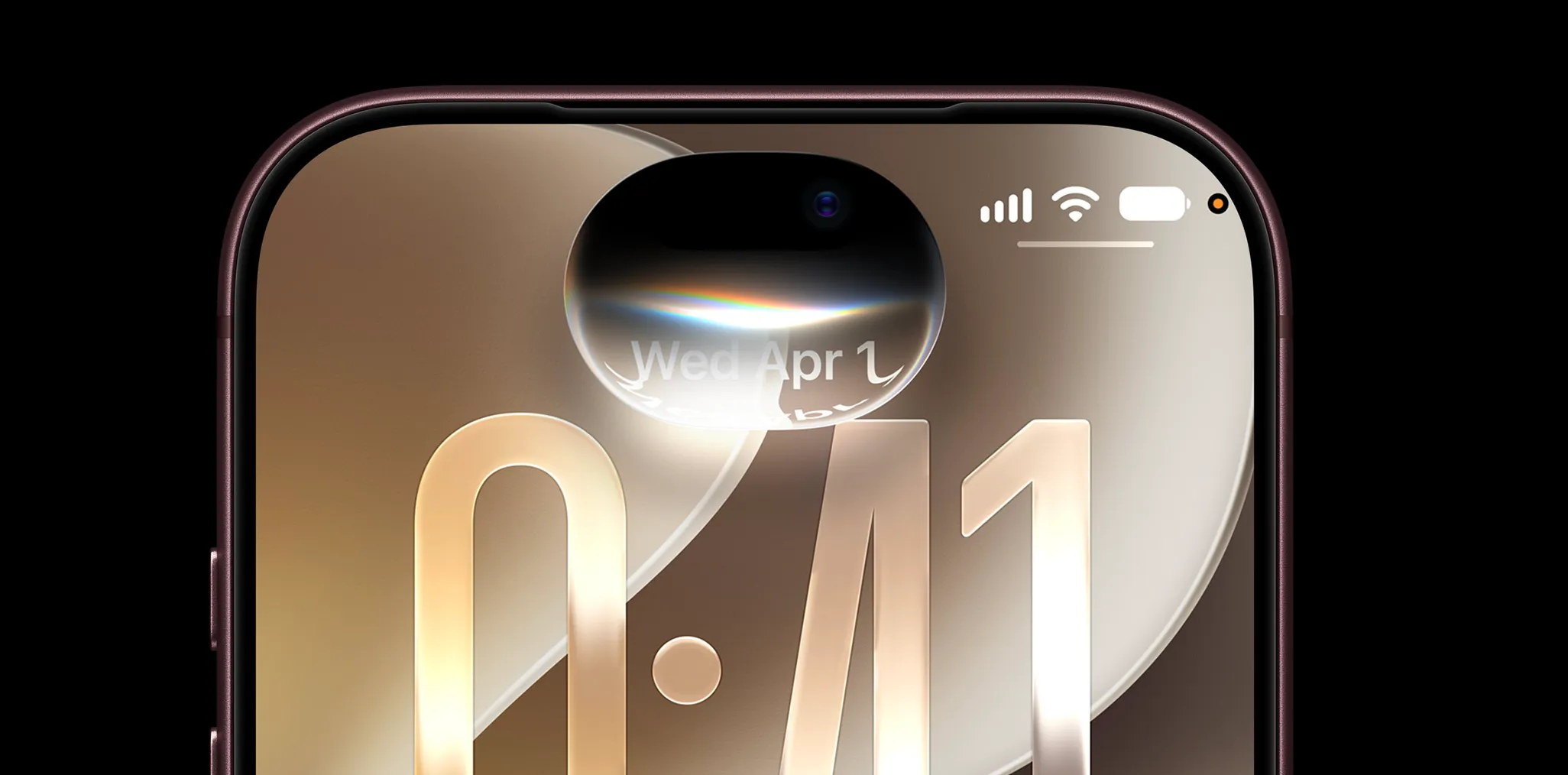
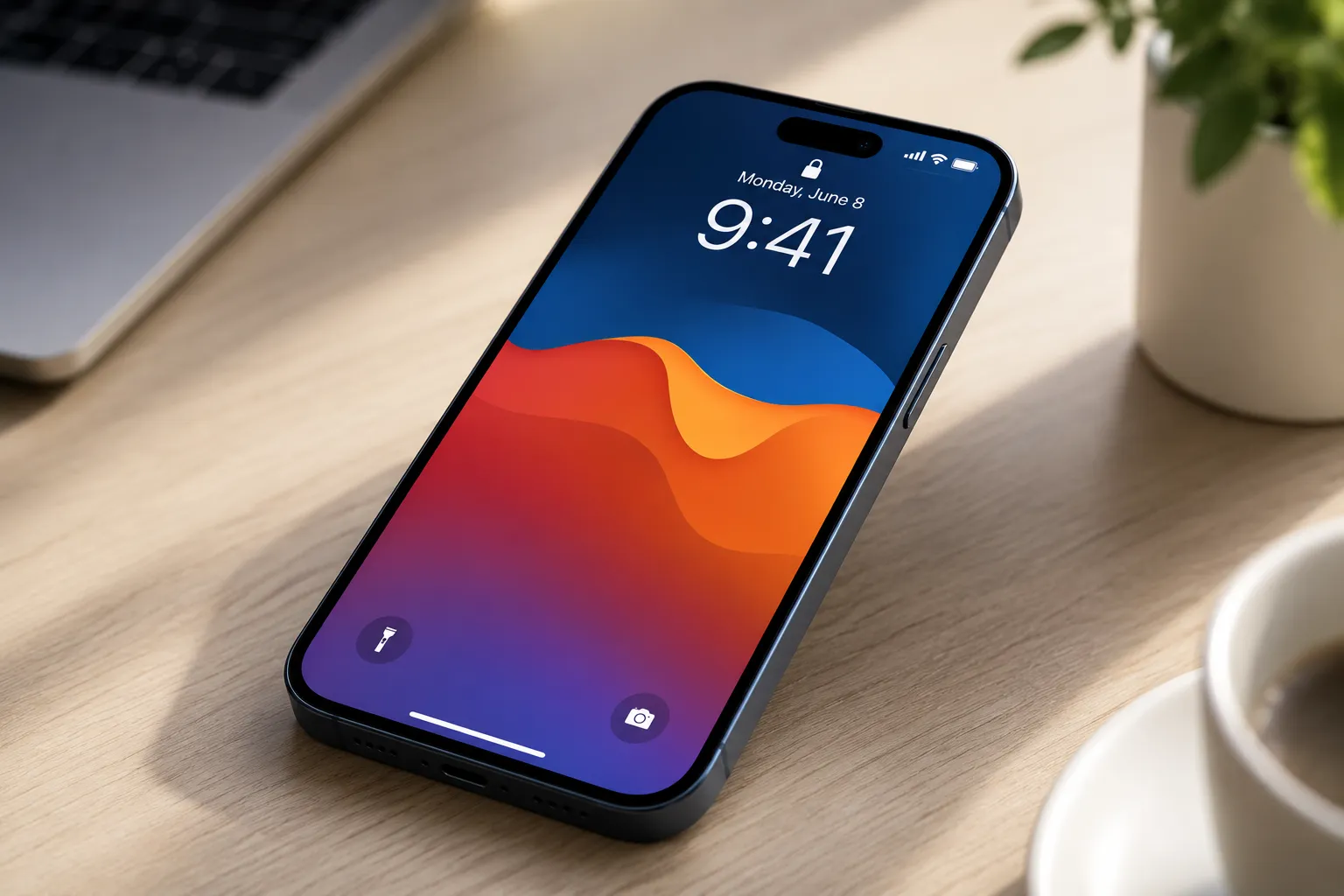
iOS 27 lands as a free software update on Monday, September 14, Apple confirmed yesterday, and the biggest of the new iOS 27 features by far is Siri AI: a rebuilt assistant Apple says can read what's on your screen, dig through your messages and photos, and pull live answers from the web.
The catch is that Siri AI ships as an English-only beta on a specific list of iPhones, and it's shut out entirely on iPhone, iPad, and Apple Watch in the European Union at launch, with China excluded too (Apple, three months ago). Here's what's actually confirmed about who gets it first, and what still needs to be verified once the update lands.
Which iPhones get the new Siri in iOS 27?
The new iPhone 18 Pro and iPhone 18 Pro Max are not a requirement for Siri AI, just Apple's newest option. Eligibility covers iPhone 16 or later, plus iPhone 15 Pro and 15 Pro Max, according to Apple.
The new phones will be eligible for Siri AI out of the box, but they won't actually be in anyone's hands on September 14. Pre-orders open Saturday, September 12, and the phones ship Friday, September 18, four days after iOS 27 rolls out to existing iPhones. So iOS 27 doesn't arrive "alongside" the new phones so much as ahead of them.
Language matters just as much as hardware. Siri AI works only on devices set to English at launch, with French, Japanese, Korean, Portuguese, and Spanish following in October; Apple's own announcement doesn't specify an exact date for that expansion.
Region adds another layer, and it's more specific than a blanket EU ban. Siri AI won't work initially on iPhone, iPad, or Apple Watch inside the European Union, but Apple says Mac and Apple Vision Pro users there can access it as long as their device is set to a supported language. None of the new Apple Intelligence features work in China yet, pending regulatory approval.
A couple of things remain genuinely unconfirmed. Apple's own announcement doesn't list a release time for the September 14 rollout, and it doesn't say whether Siri AI needs a separate opt-in once iOS 27 is installed (Apple, yesterday). If the feature doesn't appear the moment the update finishes installing, that's not automatically a sign something broke.
It's also worth separating two different questions. Apple's eligibility list above covers Siri AI and Apple Intelligence specifically, not the full iOS 27 install list. Owners of older, non-Apple Intelligence iPhones should check Settings > General > Software Update to see whether iOS 27 itself is available to them, rather than assume Siri AI's restrictions decide that for them.
What Apple says Siri AI can do at launch
Apple describes Siri AI as rebuilt from the ground up, running on a new generation of Apple Foundation Models both on-device and through Apple's servers. The company lists several core abilities it says will be there on day one, and all of them are Apple's own characterization of a feature that hasn't reached real users yet.
Apple says Siri AI can search across Messages, Mail, and Photos using what it calls personal context, citing examples like resurfacing a restaurant recommendation buried in an old text or a hotel confirmation lost in email (Apple, three months ago). That cross-app reach has a real limit worth knowing: personal-context search extends into third-party apps only when a developer has integrated with Spotlight, per Apple (Apple, three months ago). Don't expect it to search every app on your phone just because it can search Apple's own.
Apple also says Siri AI can answer questions about whatever is currently on screen and pull "broad world knowledge" from the web for current information, with follow-up questions handled through a new dedicated Siri app that syncs conversation history via iCloud (Apple, three months ago). On the writing side, Apple says Siri can draft an email from scratch, revise existing text on request, match the tone a user typically uses with specific contacts in Mail and Messages, and proofread automatically across the system, including most third-party apps (Apple, three months ago).
Beyond text, Apple says Siri AI can edit and share photos on command, and a new Camera-based Siri mode answers visual questions about whatever the camera sees. The company's own examples include splitting a bill through Apple Cash and pulling nutritional estimates from a plate of food (Apple, three months ago). None of this has been independently tested, and Apple's announcement doesn't include accuracy, latency, or hallucination figures for any of it, so there's no outside baseline to measure the beta against once people actually start using it.
Where does Siri AI send your data?
Apple says Siri AI runs on the next generation of Apple Foundation Models, split between on-device processing and Apple's servers through Private Cloud Compute, and that personal data handled there is "not stored nor made accessible to Apple or anyone else." That's Apple describing its own architecture, not the conclusion of an outside audit. Apple also says outside experts can verify its Private Cloud Compute protections, and Apple has published independent SOC 3 examinations of PCC controls. Those audits cover security, processing integrity, and confidentiality controls, not the performance or integrity of Apple Intelligence itself.
Some Apple Intelligence features carry daily usage caps because they lean on server-side models. Apple says certain Apple Intelligence features that rely on server-side models are subject to daily usage limits, including Siri AI and image generation, though the limits can vary by feature, request complexity, demand, and other factors. Conversation history syncs across a user's devices through the new Siri app and iCloud, which is genuinely convenient for picking up a chat on another screen, but worth remembering before typing anything sensitive into it.
Other iOS 27 new features: what needs Apple Intelligence, what doesn't
Two Safari additions ride on the same restrictions as Siri AI. Notify Me watches a webpage for restocks or price drops, and Describe an Extension builds a Safari extension from a plain-language request; both are Apple Intelligence features, which means they need an eligible device and supported language (Apple, three months ago). Apple hasn't spelled out whether every limitation attached to Siri AI applies identically to these two tools, so check Apple's own feature pages for the specifics rather than assuming a one-to-one match.
AI-edited or AI-generated photos now carry a hidden SynthID watermark to flag them as machine-touched, another feature tied to Apple Intelligence eligibility (Apple, three months ago).
Not everything in this update needs Apple Intelligence hardware, though. New family-safety tools, including per-contact approval for kids' messaging contacts, automatic blocking of shared violent or explicit images, and a redesigned Screen Time with daily category limits, aren't tied to Apple Intelligence eligibility, per Apple (Apple, three months ago). Those should reach the same broad device base as iOS 27 itself.
Apple is also touting speed gains across the release: app launches up to 30% faster, photo loading up to 70% faster, and AirDrop transfers up to 80% faster (Apple, three months ago). Those numbers come from Apple alone, so treat them as the company's own benchmarks until independent reviewers can measure real-world performance on comparable hardware.
iPhone Duo itself arrives later with iOS 27.1, but Apple says iPhone Handoff is already part of iOS 27 for supported carriers. Anyone curious about the foldable should plan on that later update, not launch day.
What to check before you update
Before assuming Siri AI is missing or broken on September 14, confirm three things you can verify yourself: an eligible iPhone (16-series or later, or 15 Pro/Pro Max), your device language set to English, and a region outside the EU and China restrictions. If all three check out and Siri AI still doesn't show up right away, don't assume the cause: Apple has not published an exact release time or documented a staggered rollout schedule. As noted above, Apple's own announcement doesn't spell out an exact release time or confirm whether a separate opt-in is needed.
Once Siri AI is running, it's worth separating low-stakes uses from ones that matter. Cross-app lookups, like tracking down an old reservation or a message from months back, are reasonable places to try it out. Anything touching money or health, such as an Apple Cash bill split or a nutrition estimate pulled from the Camera mode, deserves a manual double-check before being trusted outright. Install iOS 27 on the 14th if Settings confirms your device qualifies, but treat Siri AI's results as beta-stage output until independent testing has a chance to catch up with Apple's demos.


Comments
Be the first, drop a comment!