





![for iPhone 18 Pro Case Clear [Not-Yellowing]](https://m.media-amazon.com/images/I/714DZnjreeL._AC_UY218_.jpg)
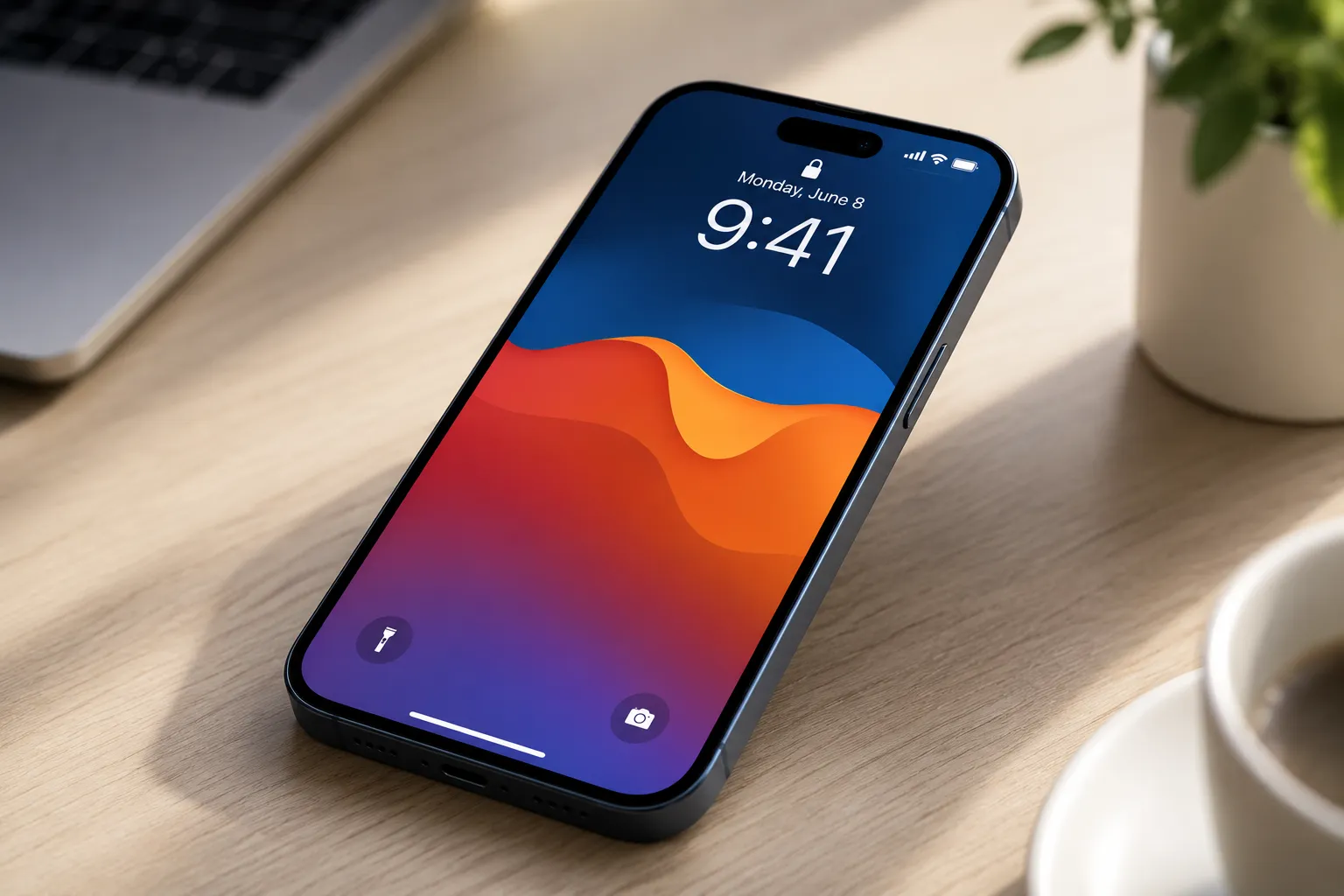
Apple now markets the iPhone 18 Pro and iPhone 18 Pro Max as an intelligent personal hub, pairing AI capability with personal context and calling privacy and security core to the design. That's a confirmed claim from Apple's own announcement. It doesn't tell you which parts of that hub are working today, or whether they apply to the phone you already own.
Apple's September release doesn't say whether the full hub experience runs out of the box, whether it requires iPhone 18 Pro hardware specifically, or how it relates to the Siri AI beta Apple described in June. That June announcement placed Siri AI in developer testing and promised a public beta later in 2026. Apple has since confirmed that Siri AI will begin rolling out in beta with iOS 27 on September 14, 2026.
Siri AI, the software Apple presents alongside the hub claim, was introduced in June as an entirely new version of Siri built on Apple Intelligence, with systemwide reasoning across iPhone, iPad, Mac, Apple Watch, and Vision Pro. Developer testing started that same month, with a public beta promised for later in 2026, according to that June announcement. That's two separate clocks: the iPhone 18 Pro hardware launch and Siri AI's beta rollout beginning September 14.
The hub framing points in the right direction for an iPhone AI personal assistant, and Apple's broader built-in device footprint gives it an edge a single-device assistant lacks. But this is a promise with a defined test, not a finished product, and Apple has delayed key Siri features before. Treat the branding as a claim to verify against your own device, not a settled fact to buy into.
What Apple's intelligent personal hub label actually promises
Apple's language ties AI capability to personal context, with privacy "at its core" as the stated design principle. Strip away the branding, and the concrete promise underneath the iPhone 18 Pro AI capabilities is older: Apple said in 2024 that Siri would handle multistep requests across third-party apps, using the standing example of a query like "when is Mom's flight landing?"
Craig Federighi's framing described Siri AI as built "to help users find information and get things done throughout the day," language that moves Siri from answering questions to completing tasks. What's missing from both that June release and yesterday's hardware announcement is any demonstration that this cross-app, multistep behavior is running today on a real device. Apple describes cross-app actions and has made Siri AI available for developer testing, but those claims are still Apple's own rather than independent evidence of real-world reliability.
Why Apple's ecosystem reach makes the claim plausible
Siri AI integrates across iPhone, iPad, Mac, Apple Watch, and Vision Pro, giving Apple a broader built-in device footprint than a single-device assistant. Apple's control of its software platforms could allow it to connect personal context across those devices in a way a phone-only chatbot cannot. That's an inference about what Apple's position makes possible, not a confirmed detail about what Siri AI actually pulls from each device or what it's permitted to do once it has that context.
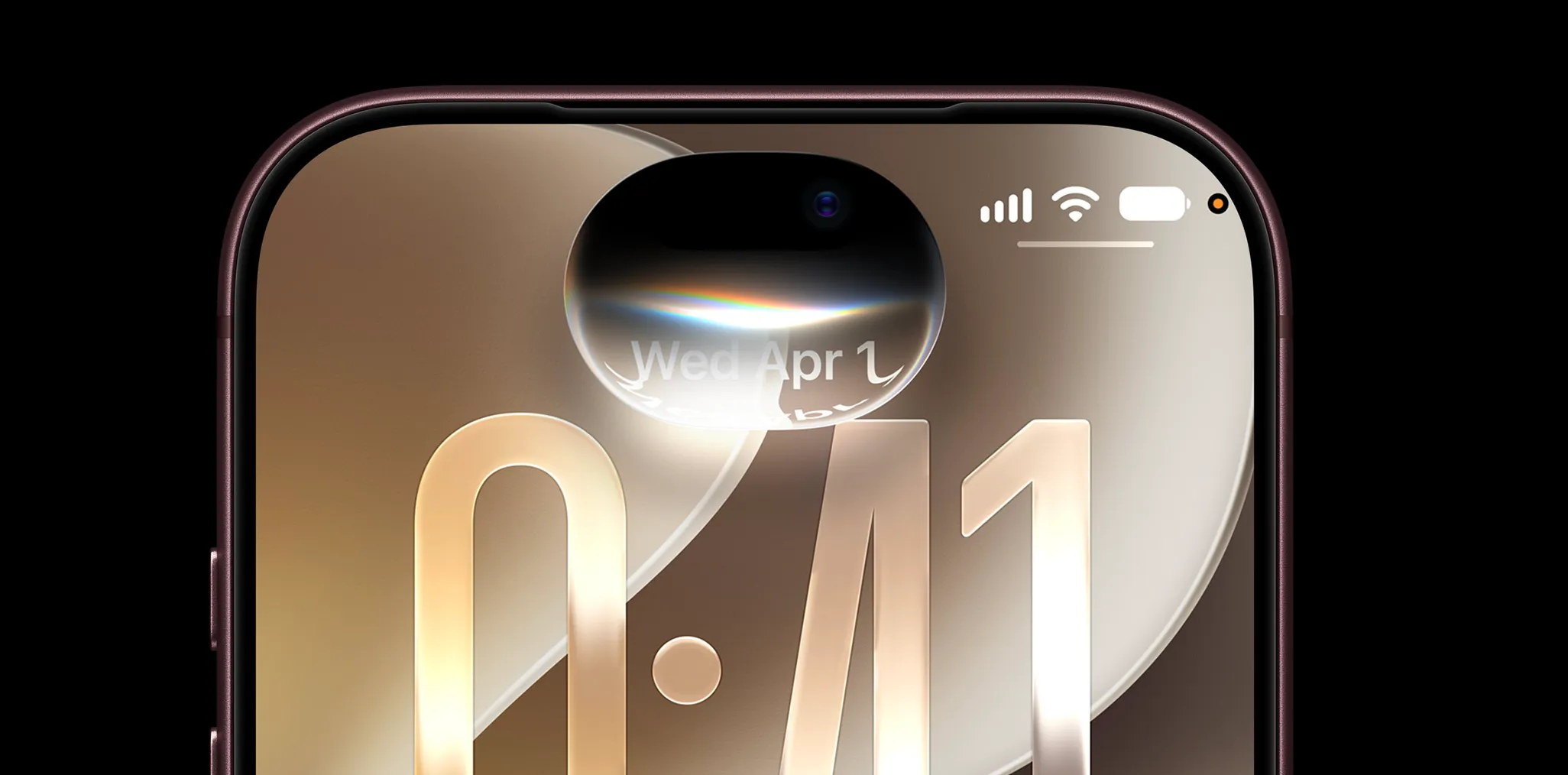
Apple also built low-friction access points meant for constant use: the side button or a swipe down from the Dynamic Island starts a conversation, which matters if Siri is supposed to get invoked all day rather than occasionally.
In January, Apple and Google announced that Gemini would power Apple Intelligence. Kang Jung-soo, head of the AI Research Center at Bluedot AI, argued the arrangement made Gemini "no longer an Android advantage." That report predates Apple's June and September announcements and describes an anticipated arrangement, not a confirmed account of what shipped in Siri AI. It explains how Apple got here, not what's live now.
What Apple's privacy claim does not answer
Apple ties privacy and security directly to the hub's core function rather than treating it as an afterthought. That claim carries weight because Siri AI is meant to act "within and across apps" using personal context, a shift from retrieving information to taking action on someone's behalf, based on Apple's stated design goal as reported earlier this year.
Apple's two cited releases leave several practical questions unanswered:
Which app data Siri can read, since that determines how much of your messages, calendar, or location history it sees
Whether Siri can write, send, or modify information rather than just retrieve it, since that's what turns a wrong answer into an accidental email or a bad calendar entry
Which requests stay on-device and which are routed to Private Cloud Compute, since Apple says the architecture uses both.
Whether consequential actions require a confirmation step before executing, since that's the difference between Siri suggesting a purchase and completing one without you noticing
None of this means those protections don't exist. It means Apple's published architecture does not answer every action-specific permission and confirmation question raised above. Until Apple publishes technical detail, or independent security researchers weigh in, "privacy and security at its core" is a claim awaiting evidence.
The delay record behind this rollout
Apple first promised a "more personal Siri" with cross-app, multistep capability at its 2024 developer conference, then delayed key features. By March 2025, Apple said the upgrades would arrive "in the coming year." That's roughly two years between the original promise and the developer-testing phase Apple announced in June, not proof that the finished feature has shipped.
That June announcement placed the newly introduced Siri AI features in developer testing, with a public beta promised later in 2026, a timeline Apple set for itself. Whether that beta has reached general users, and whether the functions Apple describes are active for anyone today, isn't addressed in either cited release. Apple's own support documentation, not this announcement, is the place to check before assuming otherwise.
Kang also warned, before Apple's June and September announcements, that a full cross-app Siri agent built on Gemini would be hard to ship "cleanly" this year, pointing to reported reshuffling around Apple's AI leadership. That skepticism predates Apple's progress since, but it's a useful marker of how much execution risk existed heading into this year.
Which devices and regions actually get these features
This is the question that decides whether the hub label affects you, and it's where the sources go quiet. Apple's June release describes Siri AI on iPhone, iPad, Mac, Apple Watch, and Vision Pro generally, not as an iPhone 18 Pro exclusive. Yesterday's release, by contrast, attaches the "intelligent personal hub" phrase specifically to the iPhone 18 Pro and Pro Max. Apple says Siri AI supports iPhone 16 models or later and iPhone 15 Pro and Pro Max, so it is not an iPhone 18 Pro exclusive.
Region and language support are just as unaddressed. Apple has specified important launch restrictions: Siri AI starts in English, adds French, Japanese, Korean, Portuguese, and Spanish in October, will not initially be available on iPhone in the EU, and remains unavailable in China while Apple works through regulatory requirements.
What to verify before buying the iPhone 18 Pro
Before treating "intelligent personal hub" as a reason to buy, or handing Siri more control on a phone you already own, these are tests for reviewers and buyers to run, not documented facts to assume:
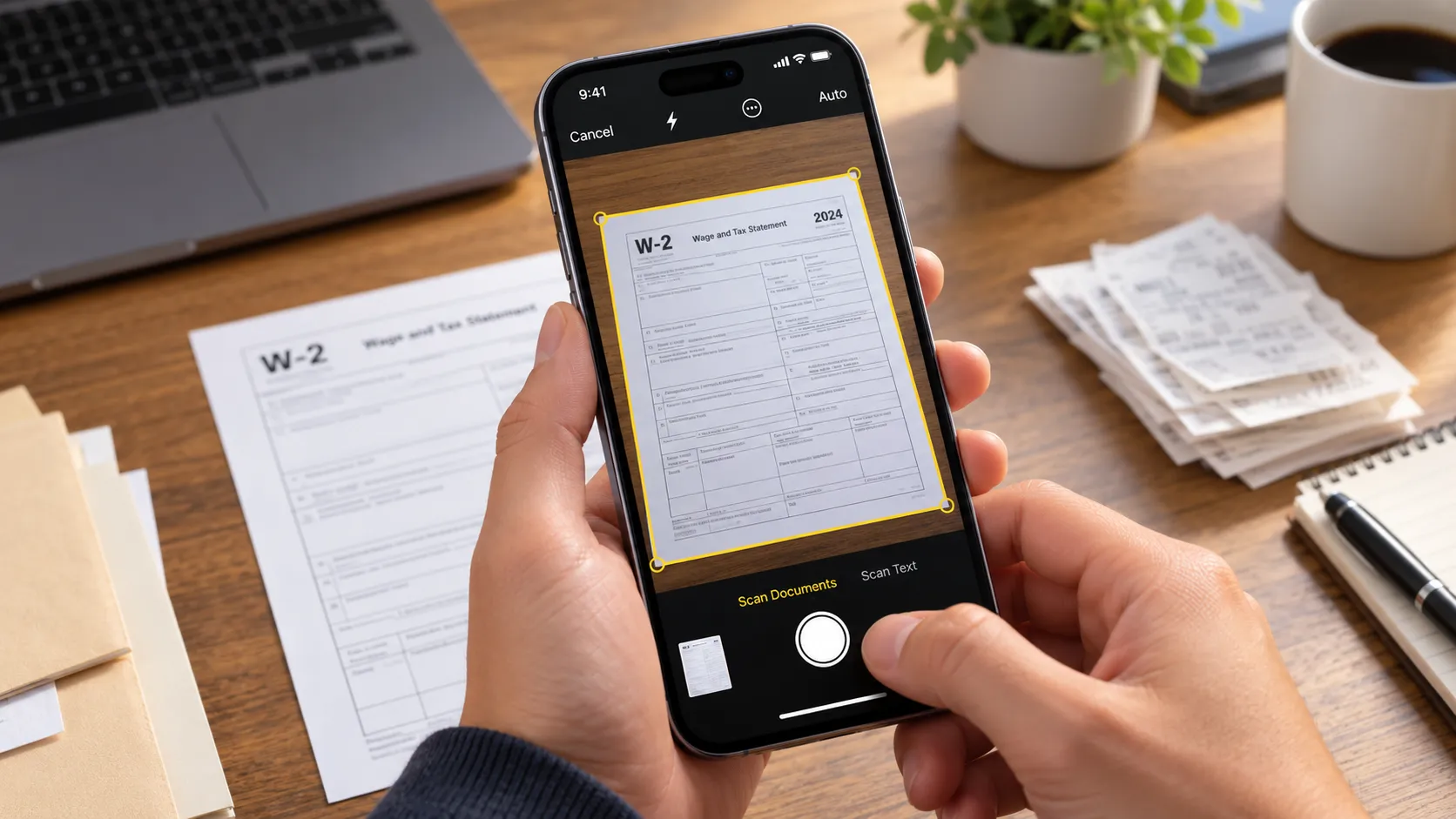
Whether cross-app actions, like the flight-status example Apple has used, actually complete a task rather than just return an answer
Whether the same functions run on already-supported iPhones or genuinely require iPhone 18 Pro hardware
Whether Siri prompts for confirmation before sending, buying, or modifying anything
Whether your region and language are covered, since neither Apple release specifies this
Whether the feature repeats reliably across multiple attempts, not just once in a demo
What would actually resolve these questions: Apple publishing more granular support documentation showing which specific Siri AI functions are available on each supported device and in each region. The public beta reaching general users with specifics on what's included; independent reviewers repeating a genuine cross-app task successfully more than once; and Apple or outside security researchers detailing how app data gets read, written, and confirmed before action.
Until that documentation and testing show up, don't pay a premium for the iPhone 18 Pro on Siri AI's promise alone. Check Apple's official support resources for your specific device before assuming hub features are active, and hold off trusting Siri with anything sensitive or permission-heavy until independent reviews back up the claim.



Comments
Be the first, drop a comment!